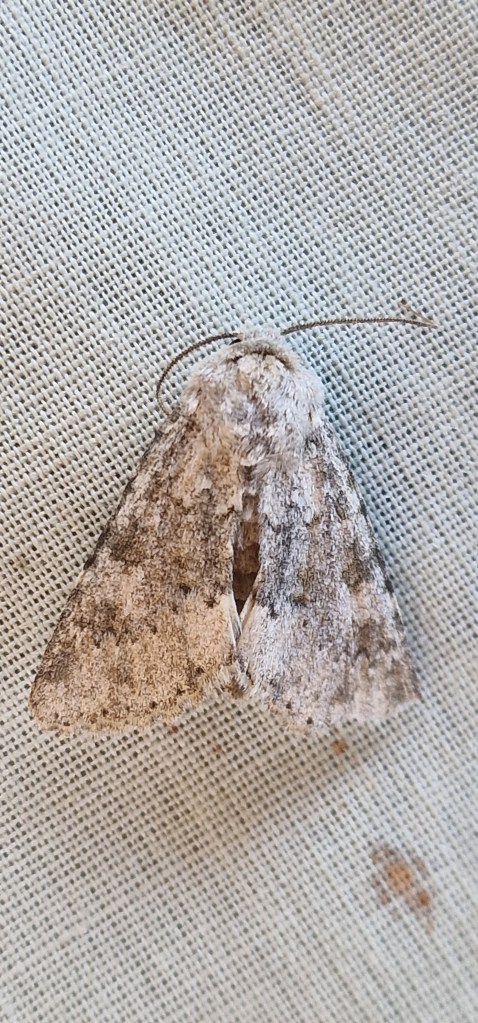
• Unless you are a Jimi Hendrix fan you wouldnt understand!!.Yesterday it did rain and was pretty grim,there were interludes with a little sun and the somewnat heavy showers never lasted long so no flooding locally.However,most bird activity was knocked on the head apart from a few hardy souls!!.

    An early Spanish breakfast with our usual friends in Guadiaro had to be fairly short as had a big catch of moths to process.On the way home a lone Little Egret flew along the Rio Guadiaro..At our local golf club,Duquesa,a male Blackbird,30 + Wood Pigeons flew over together with 4 noisy Monk Parakeets.This latter species has spread all along the costas,it is not a resident but imported from S.America.In my world birding days I saw them in the wild in Argentia,where they should all be shipped back to!!

    The beautiful adult male Black Redstart was present on the urbanisation,and thats about it really ,most other birds sheltering from the rain.

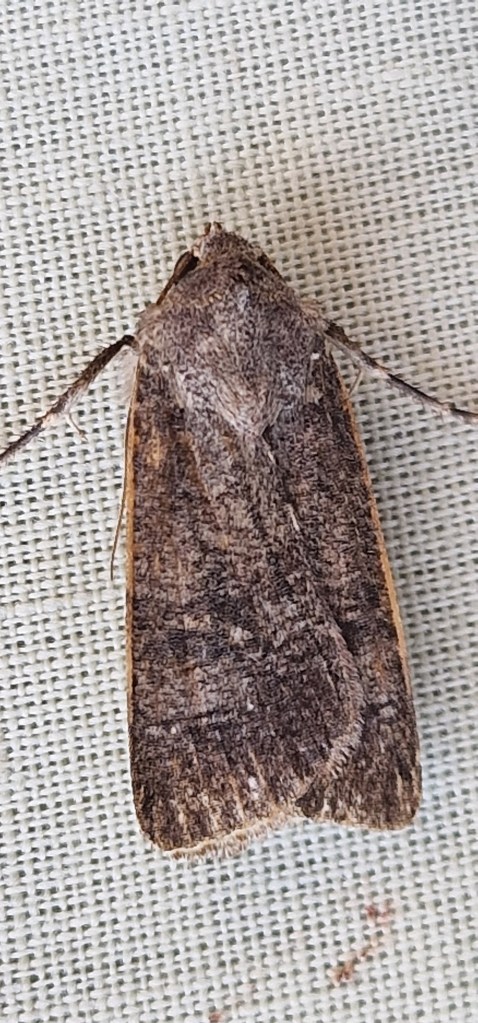
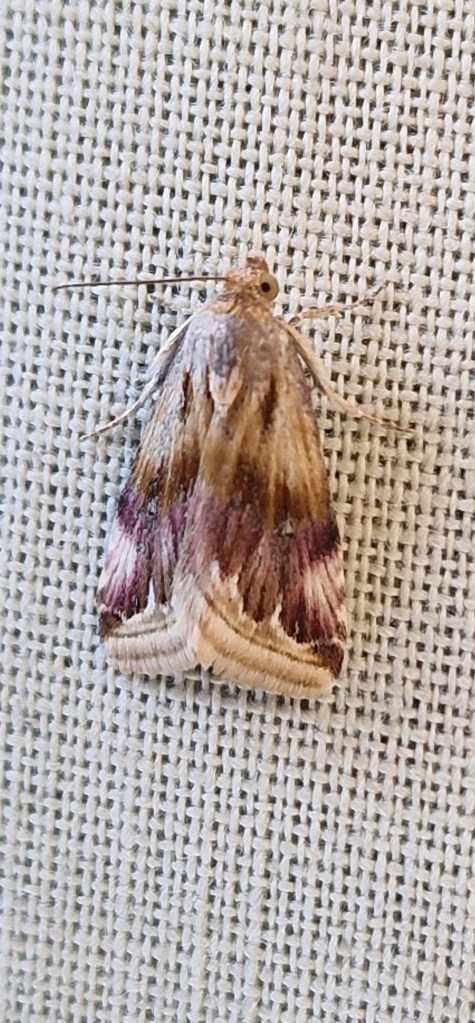
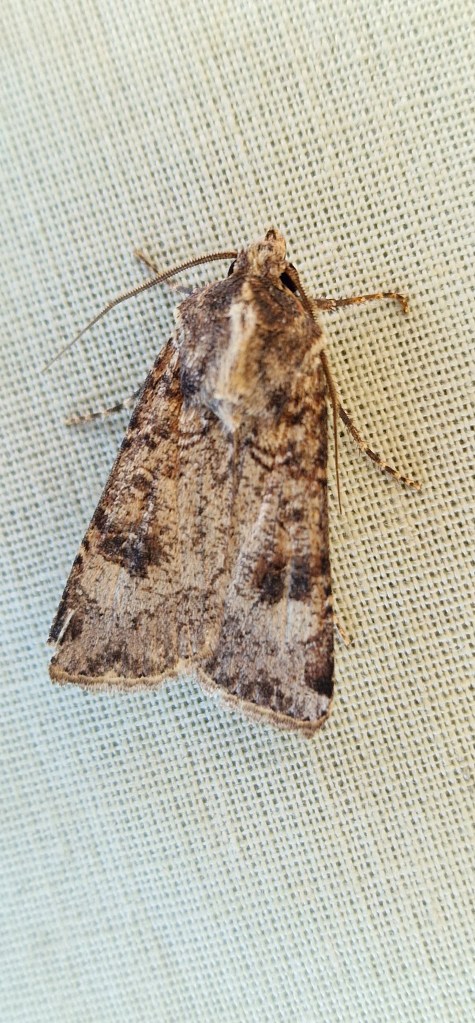
    But the moth catch from just 2 traps was phenomenol 83 moths comprising 34 species.WOW ,this lot took some time to sort out
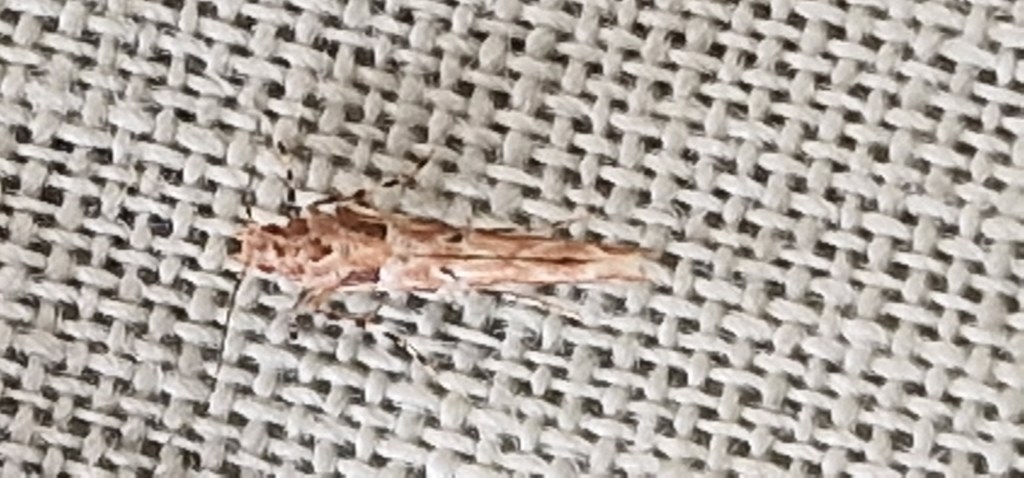
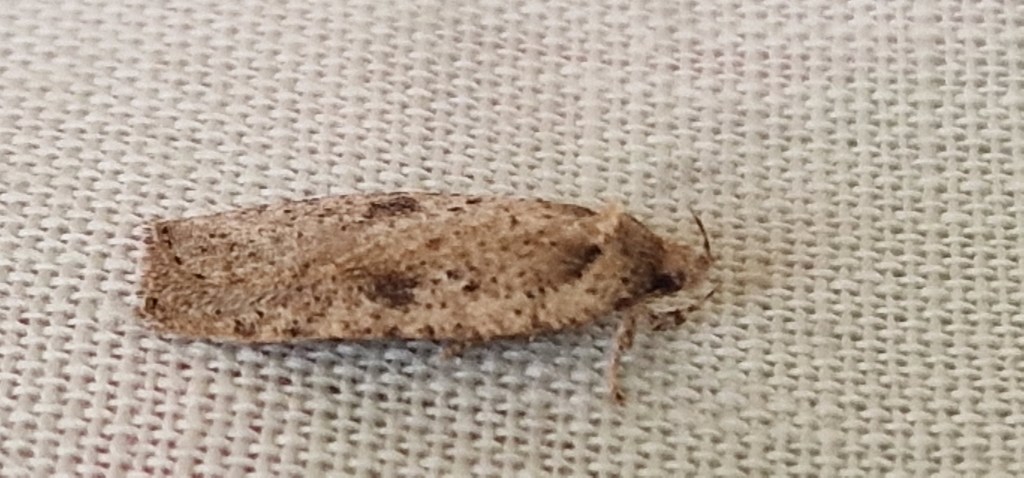
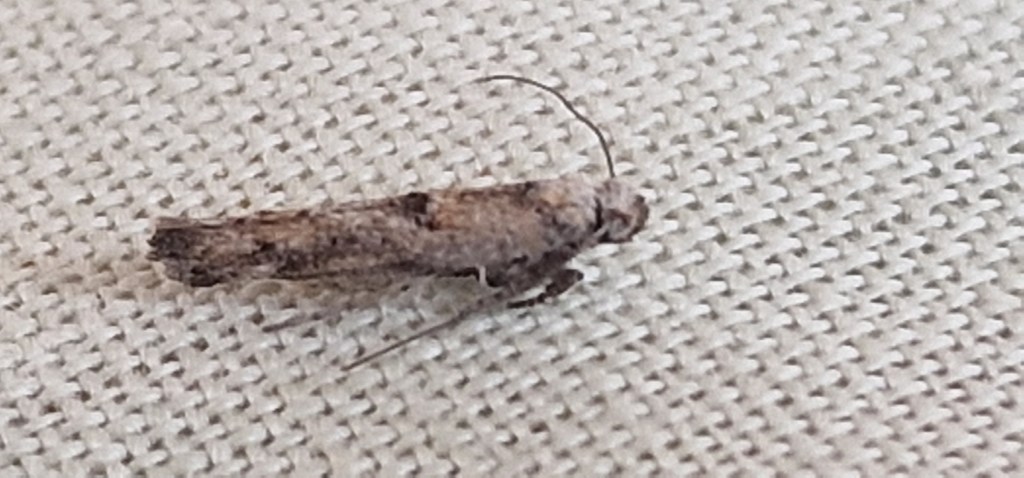
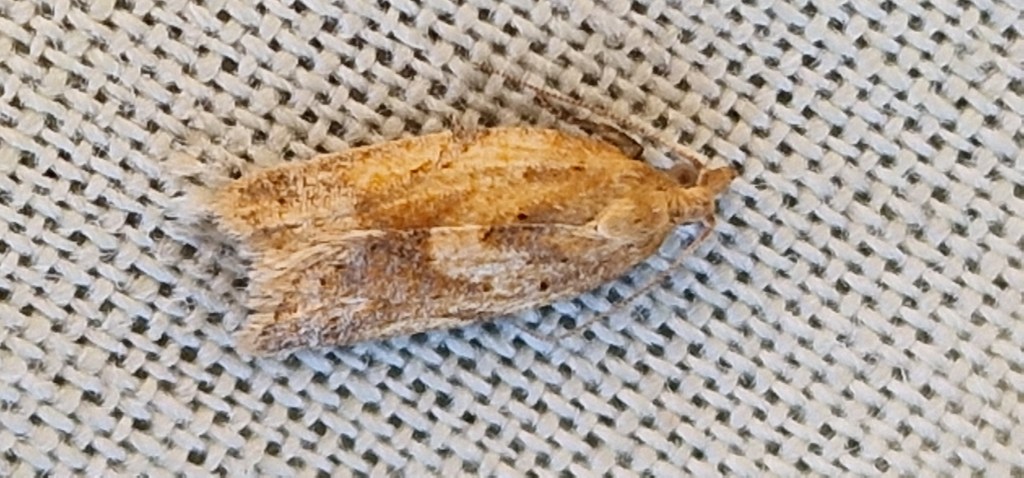
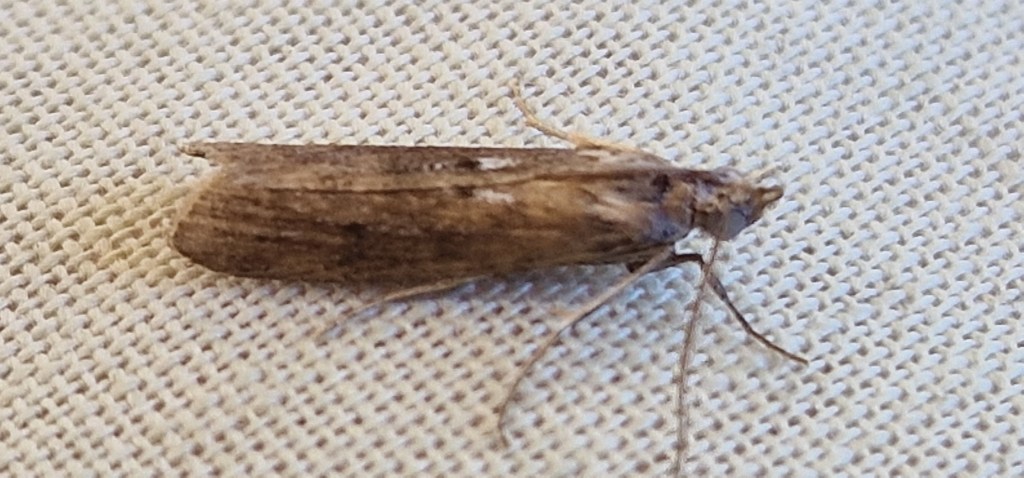
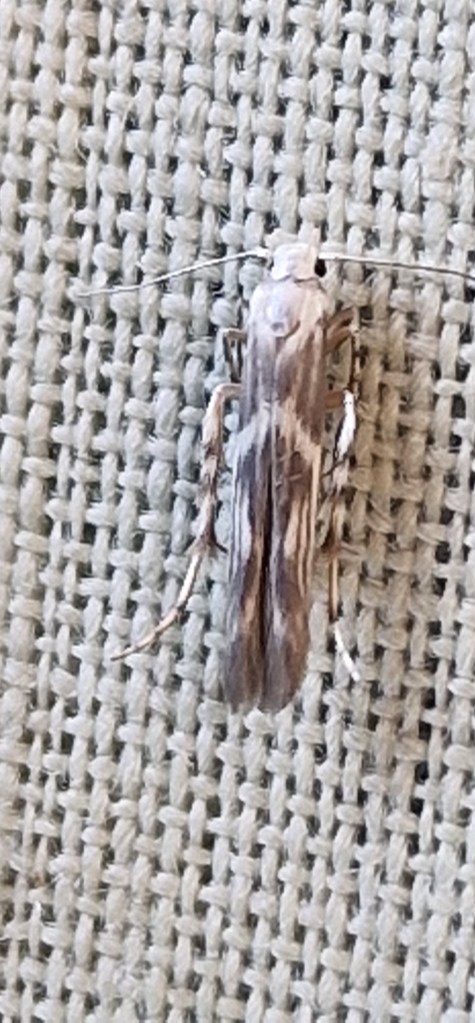
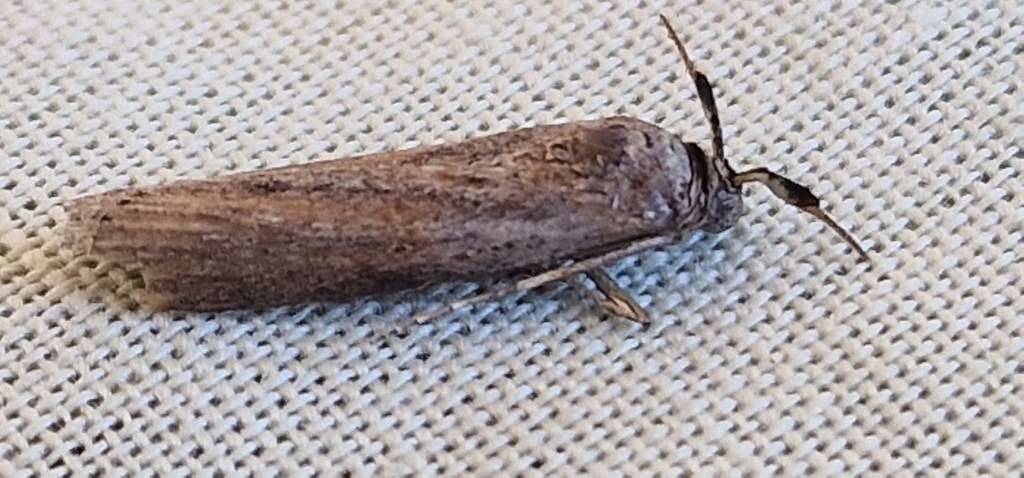
    Anatrachyntis badia American Fruit Cosmet 2 Moths.This is an introduced species. It is found in the southern United States from Florida to California and as far north as Maryland.A tricky moth to photograph as so small .
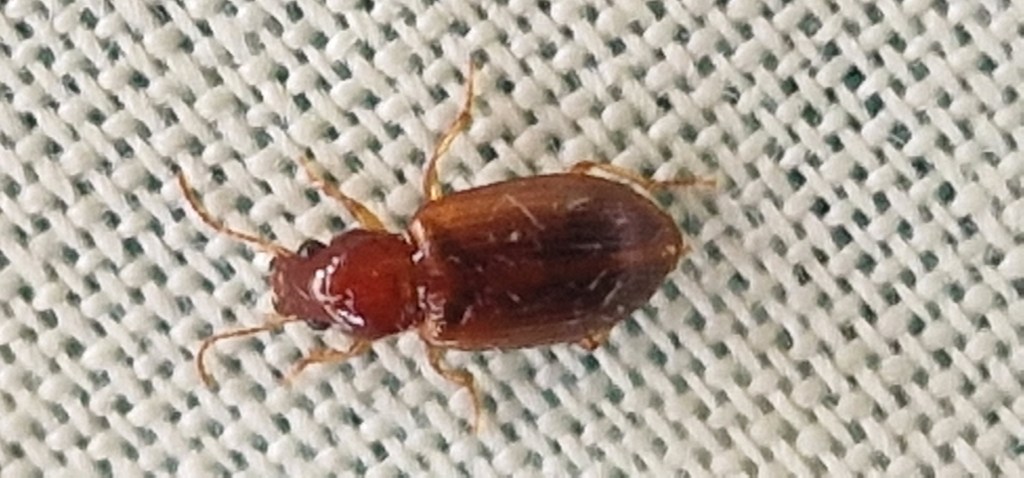
    Bradycellus verbasci .Not a moth but a bug that I have found in and around the traps this past couple of months.
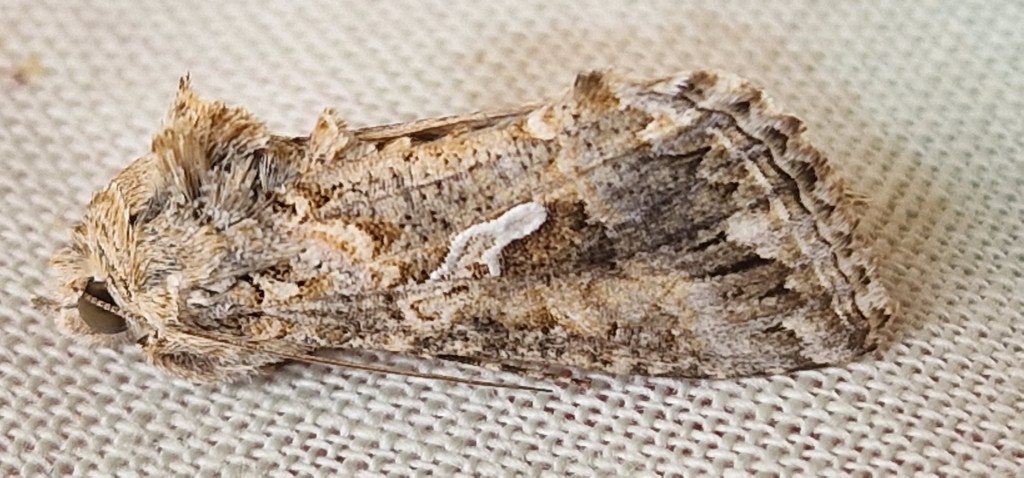
    Cabbage Looper Trichoplusia ni 1 Female Moth .A migrant moth that turns up in the UK
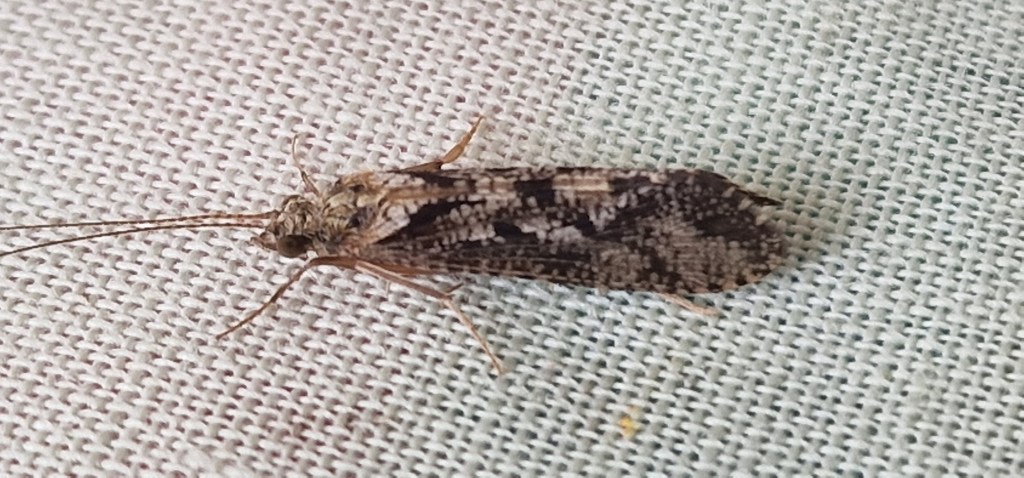
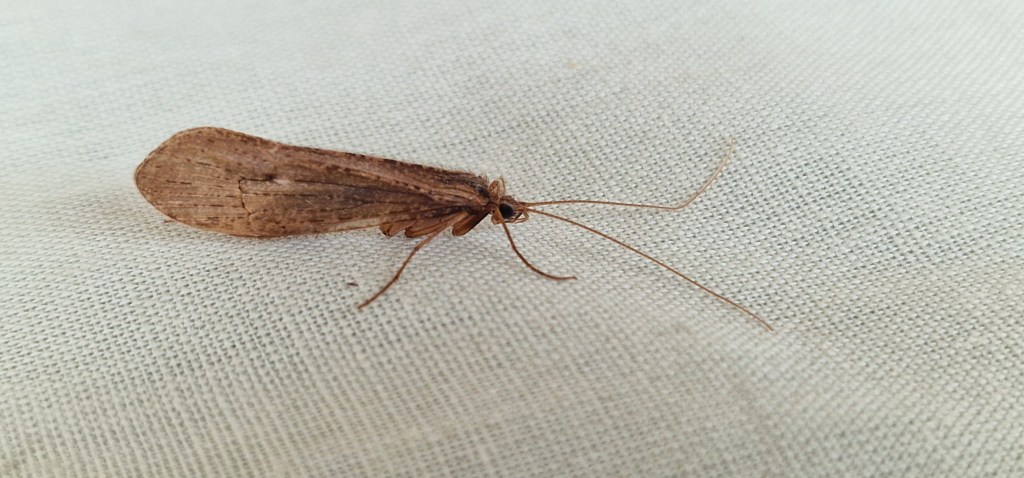
    This is another Brown Caddisfly species,much larger that the one posted previously
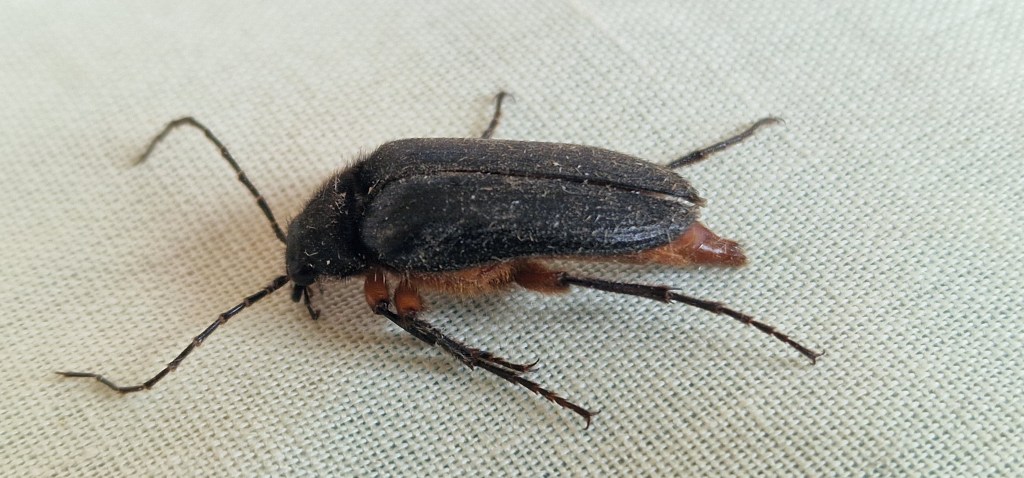
    Cebrio superbus A big bug attracted to the lights,have to check records as I think a new insect for my balconies
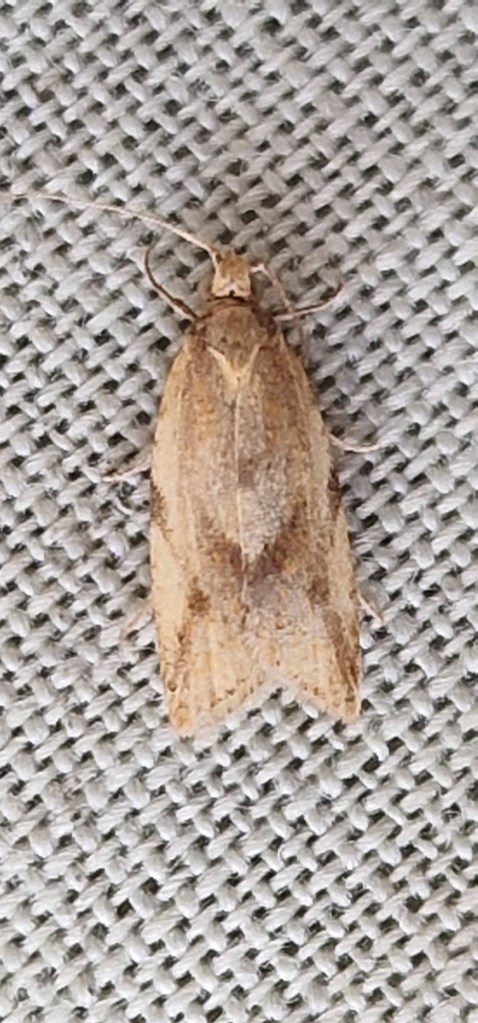
    Another example of Clepsis coriacanus ,better marked example,trapped 5 ,all with different markings.
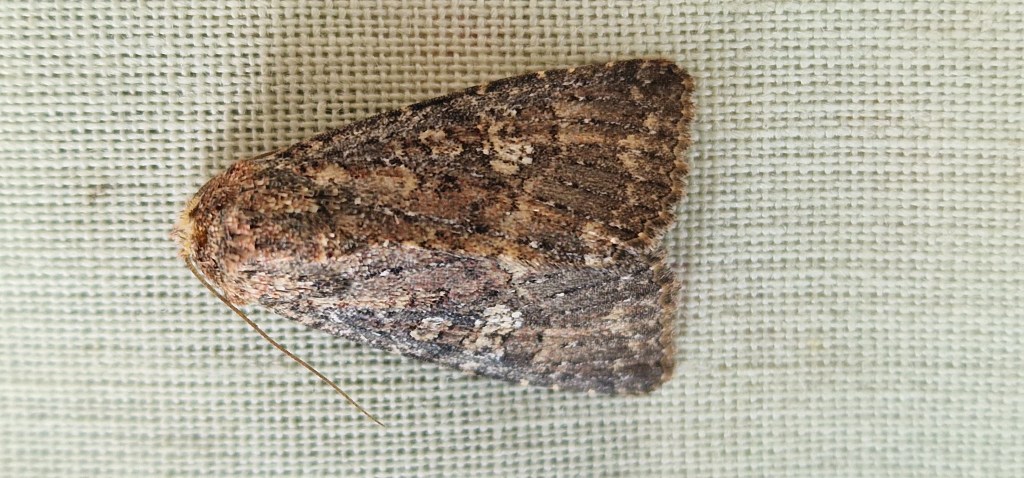
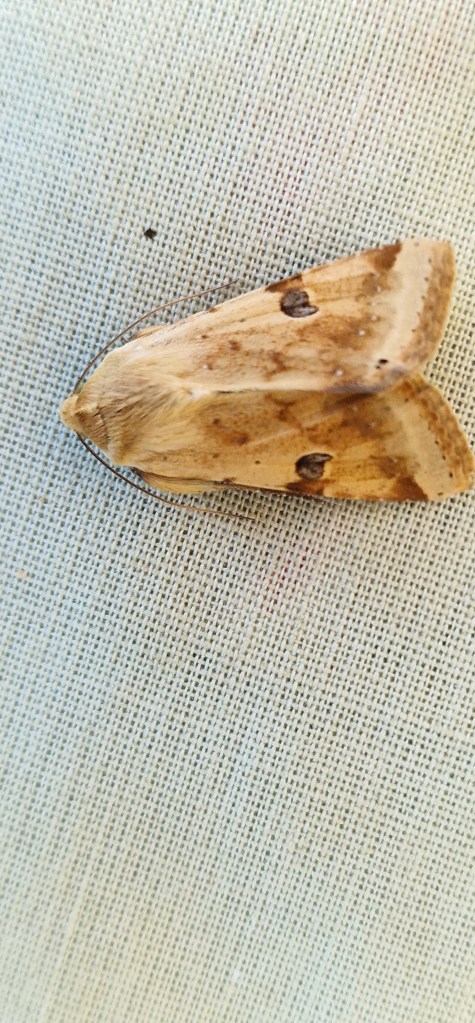
    A rare moth for me Condica capensis,using a magnifying glass shows some intricate markings.Normal species that I trap here in this genus is called Condica viscosa
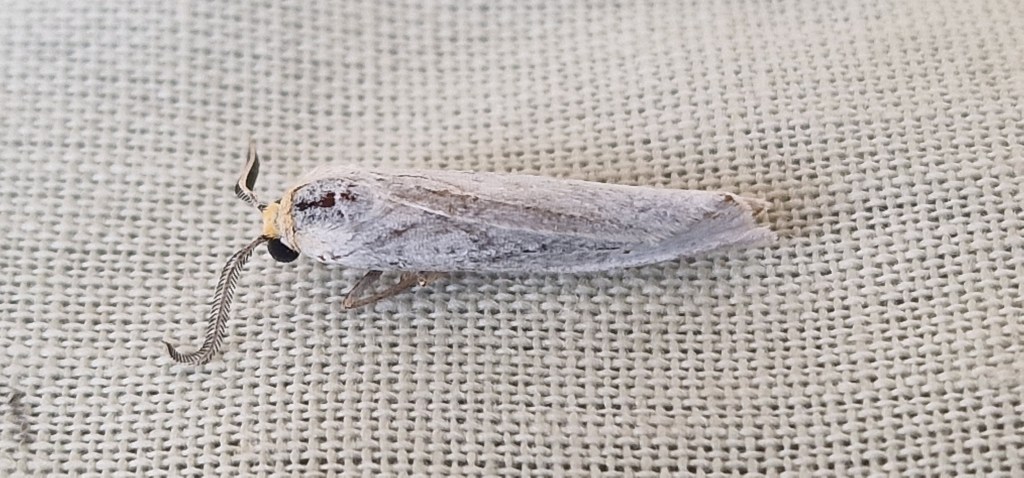
    A male Coscinia chrysocephala,with incredible antennae,distinguished from the very similar moth that I catch here,Coscinia cribraria by its yellow head area.
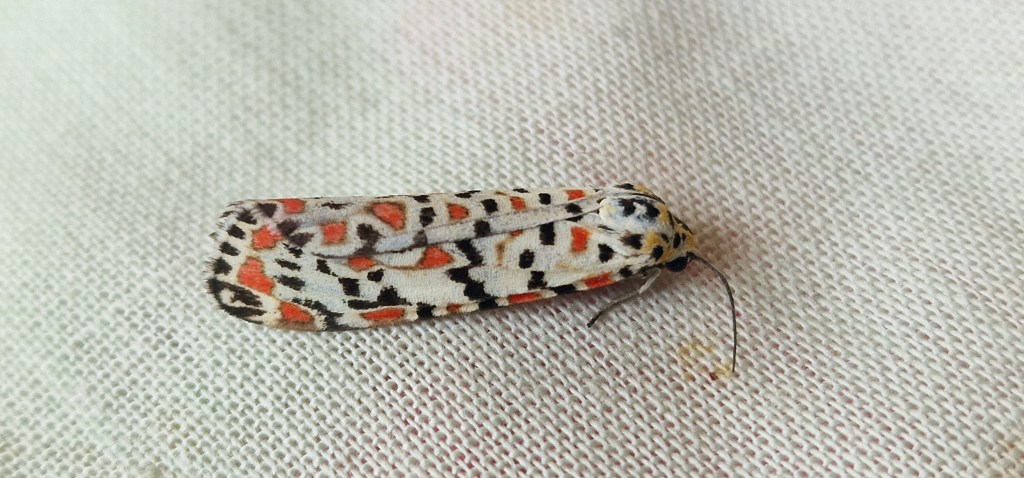
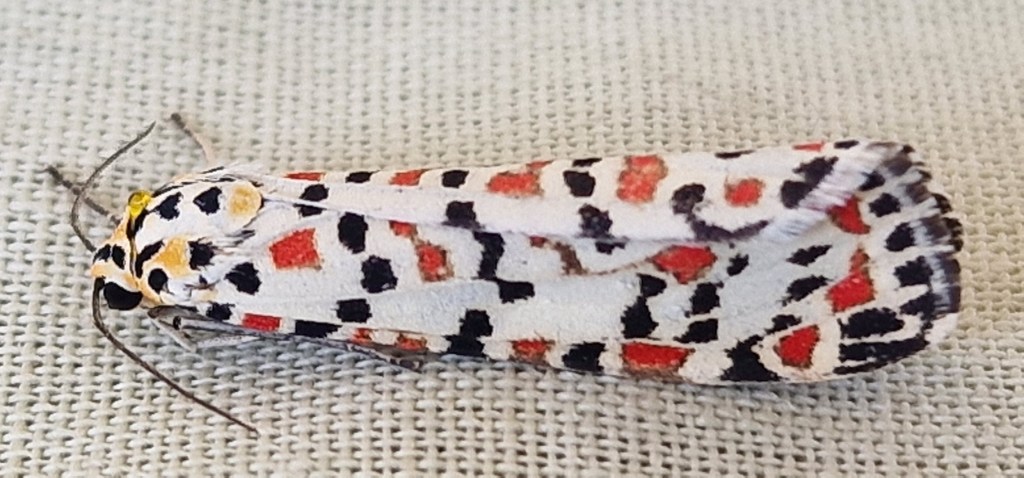
    Yet 1 more Crimson Speckled Utetheisa pulchella.Its been an excellent year for this species and other mothers down here in Andalucia have found the same thing
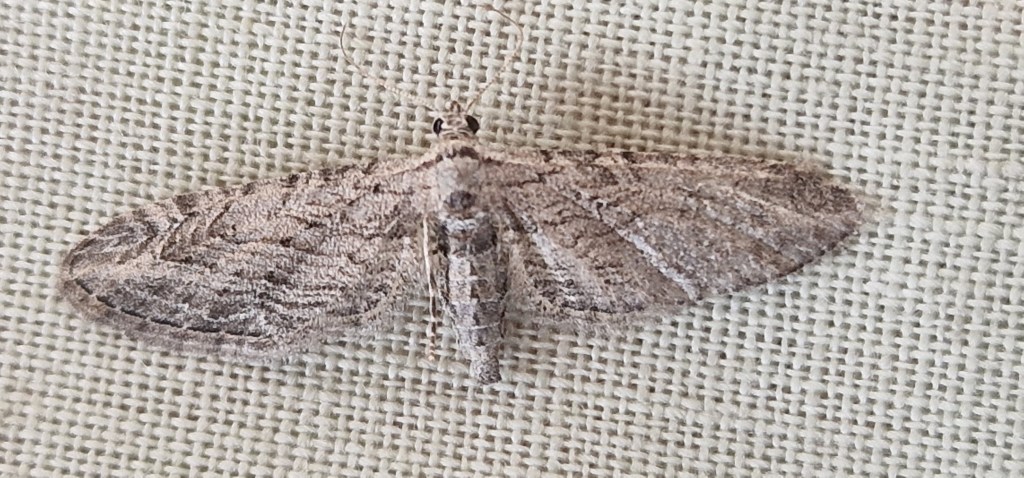
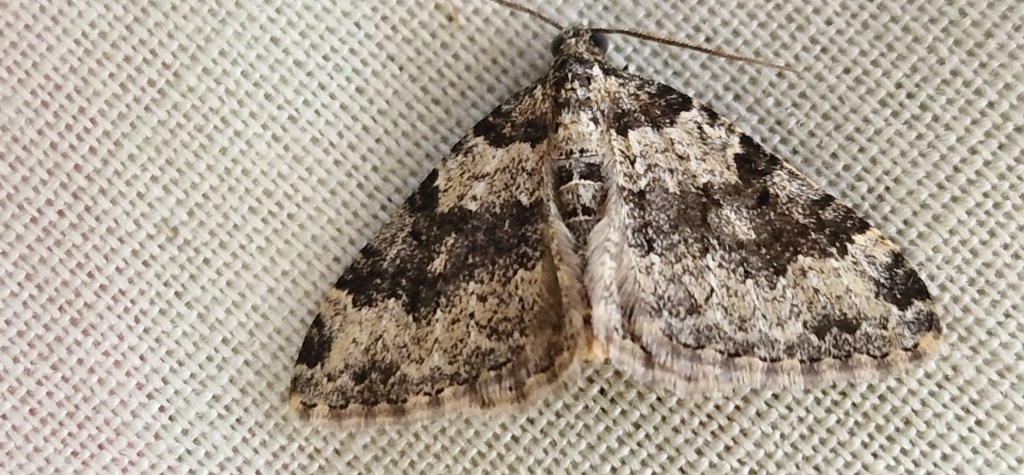
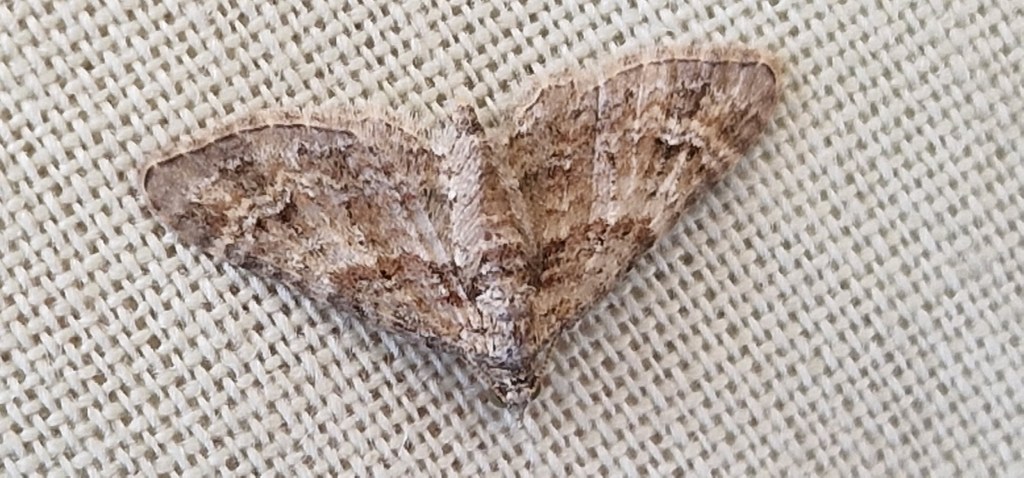
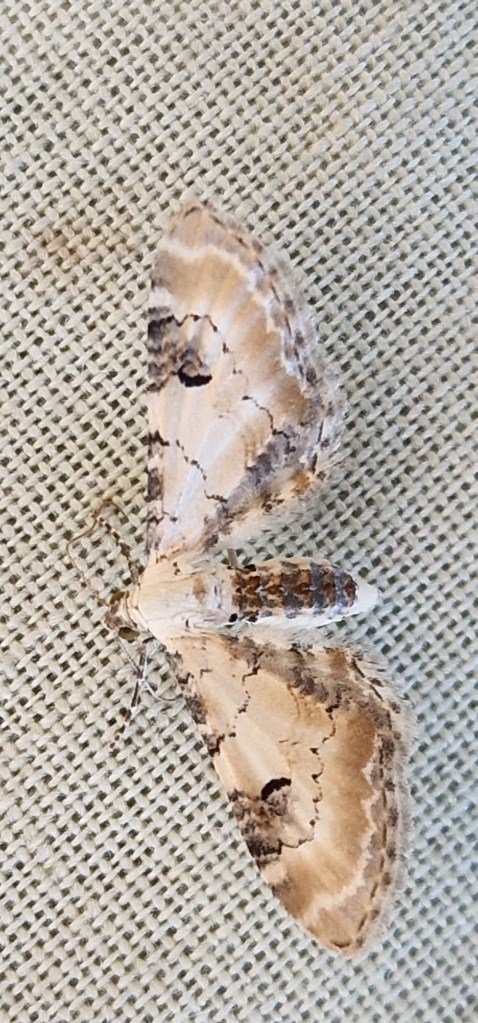
    Eupithecia unedonata.Another moth that I only seem to trap singles of.A moth with very distinctive markings.
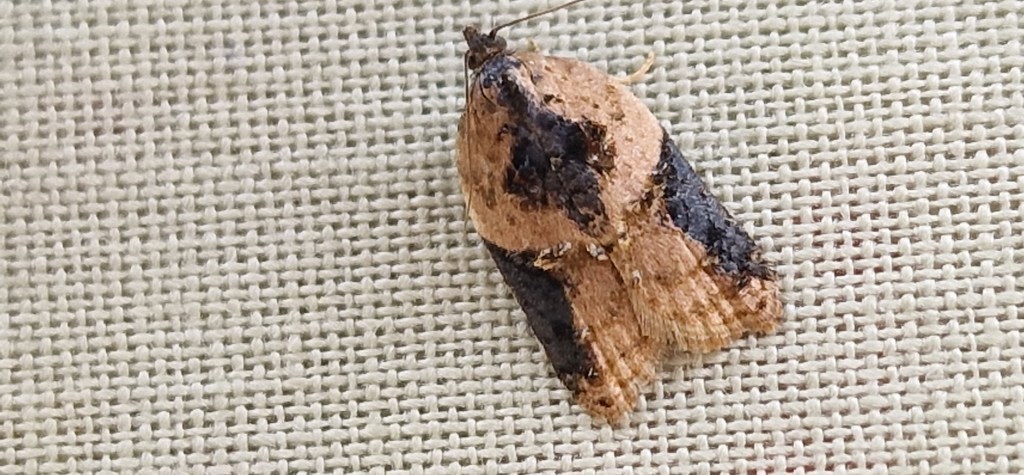
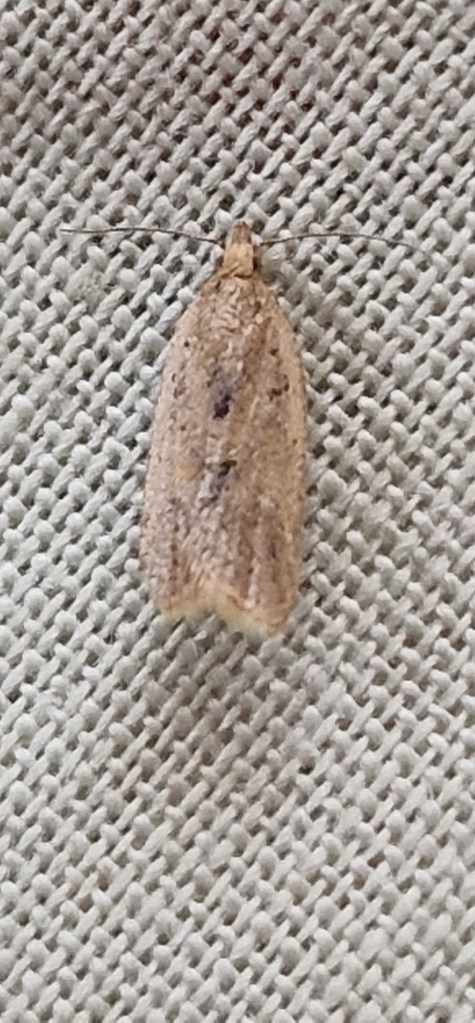
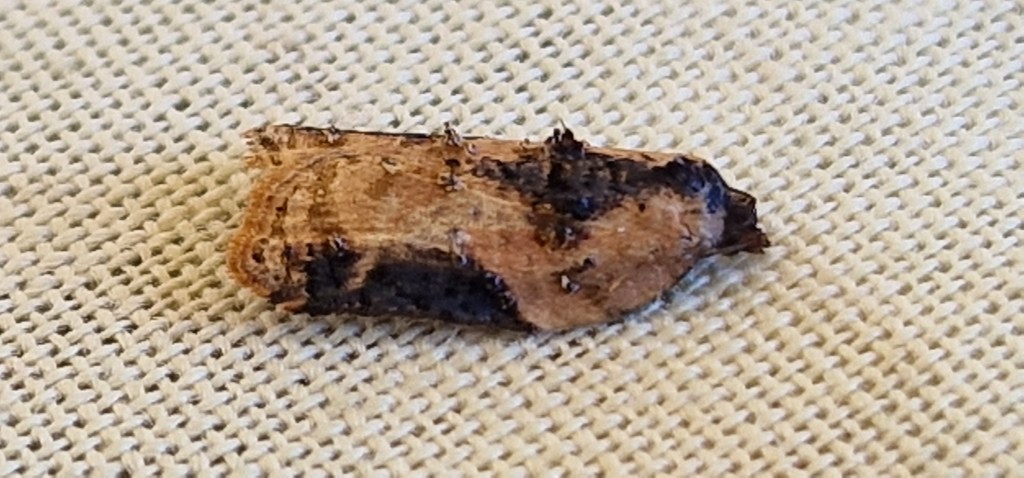
    Garden Rose Tortrix Acleris variegana 4 Moths.A beautiful micro moth which has variable but distinctive markings.
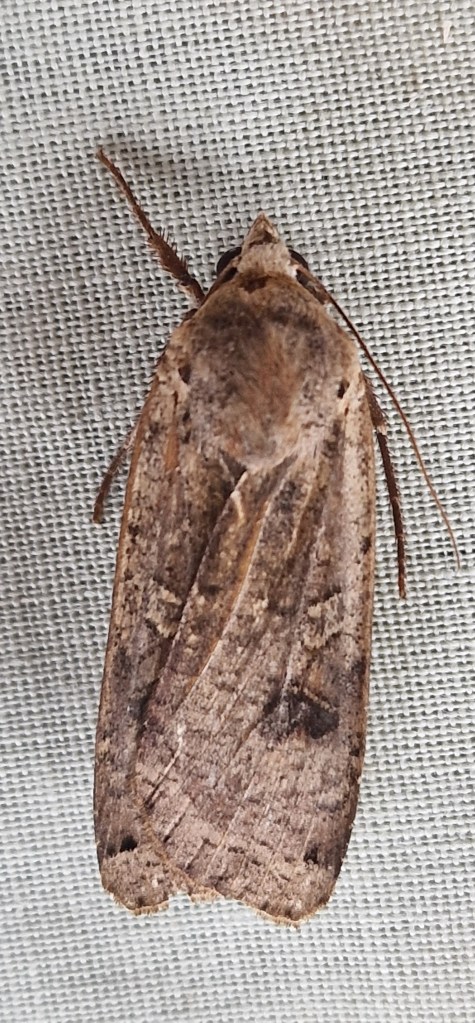
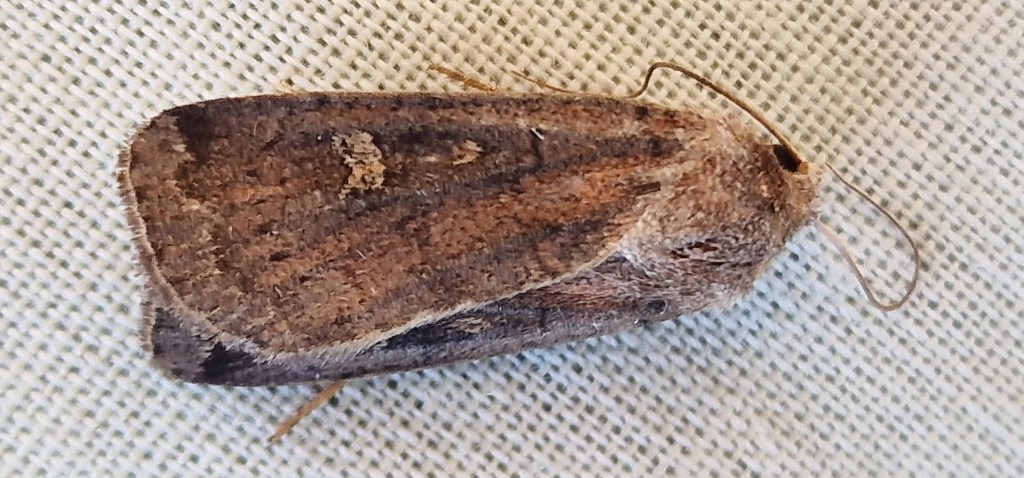
    From the sublime to the ridiculous,a real monster moth,Large Yellow Underwing,Noctua pronuba 1 female present
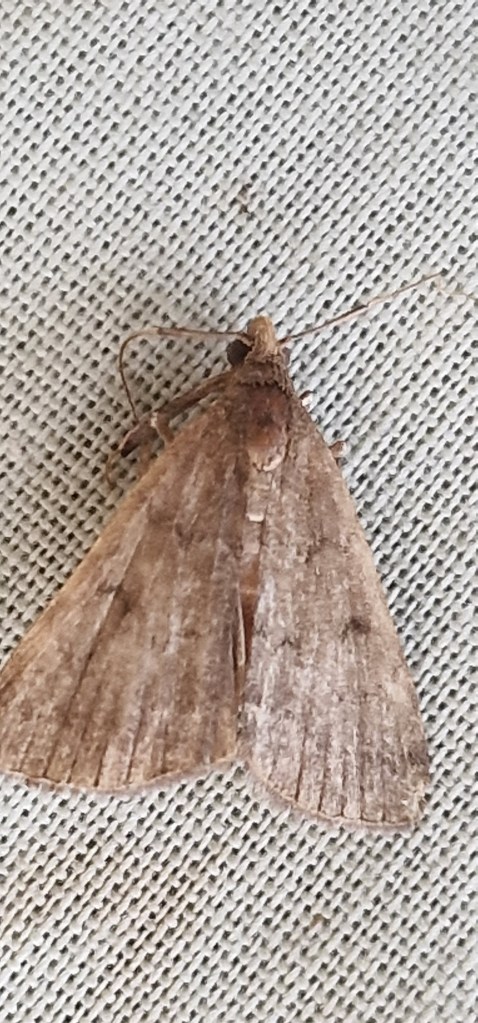
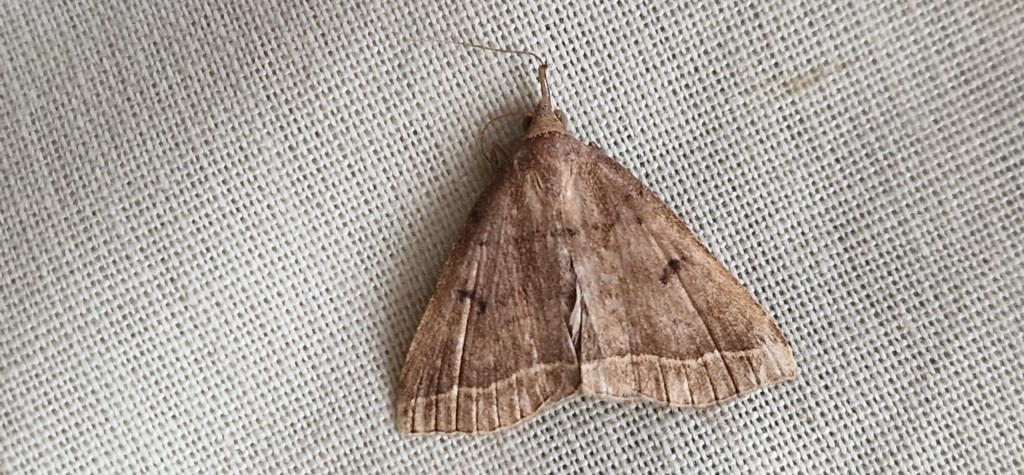
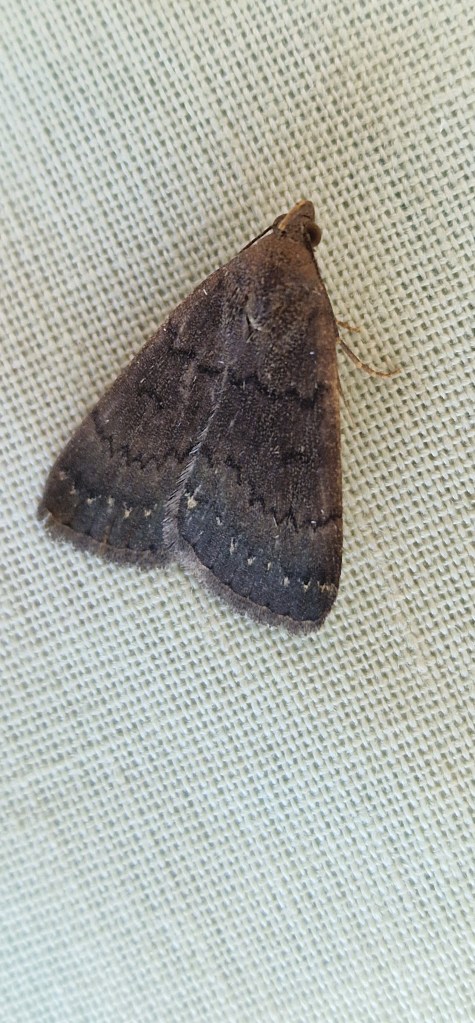
    A rather washed out Nodaria nodosalis.This is a male,look closely at the swollen parts of the antennae close to the head,females have evenly thin antennae.
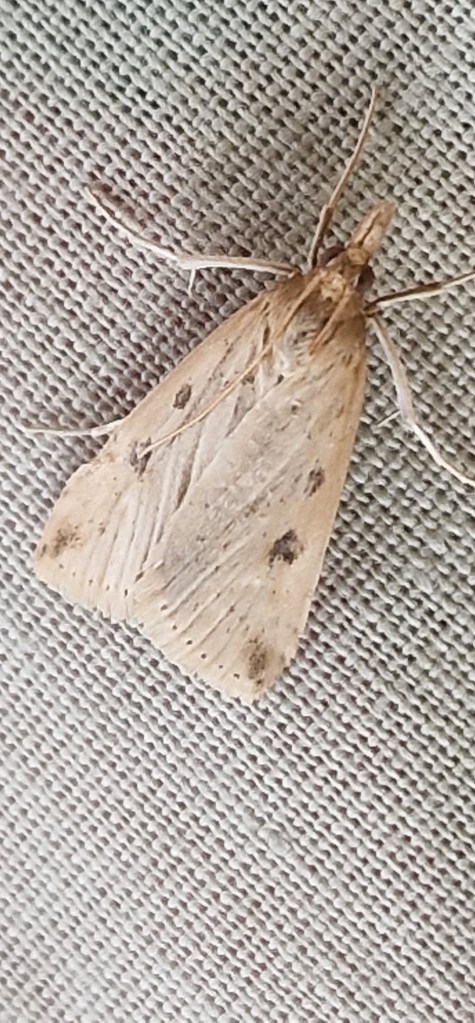
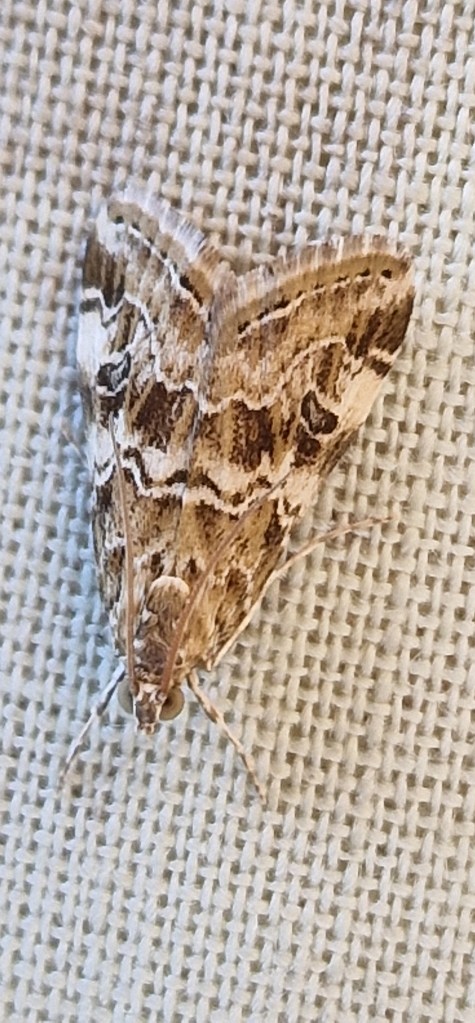
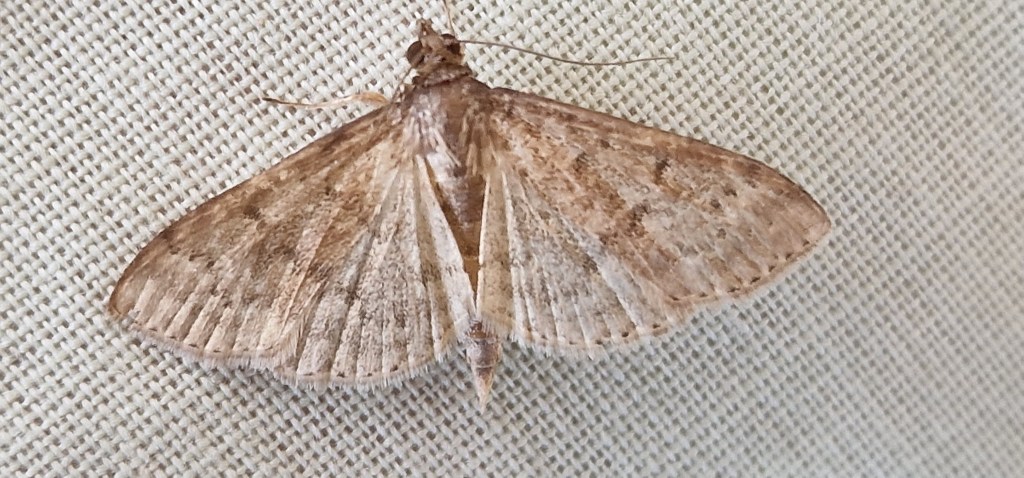
    Udea numeralis.A tricky little moth to catch as very flighty in and amongst the egg boxes so often escapes.Today fortunately caught 2 of them
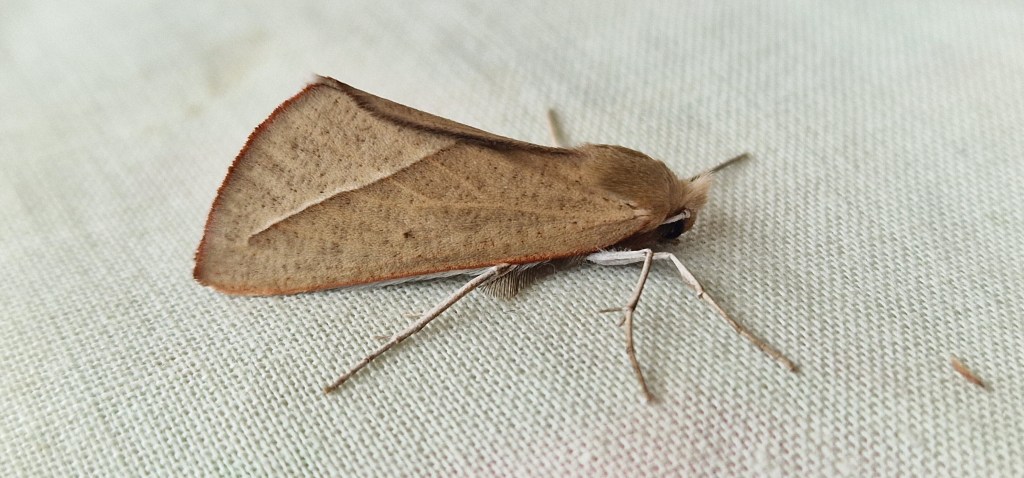
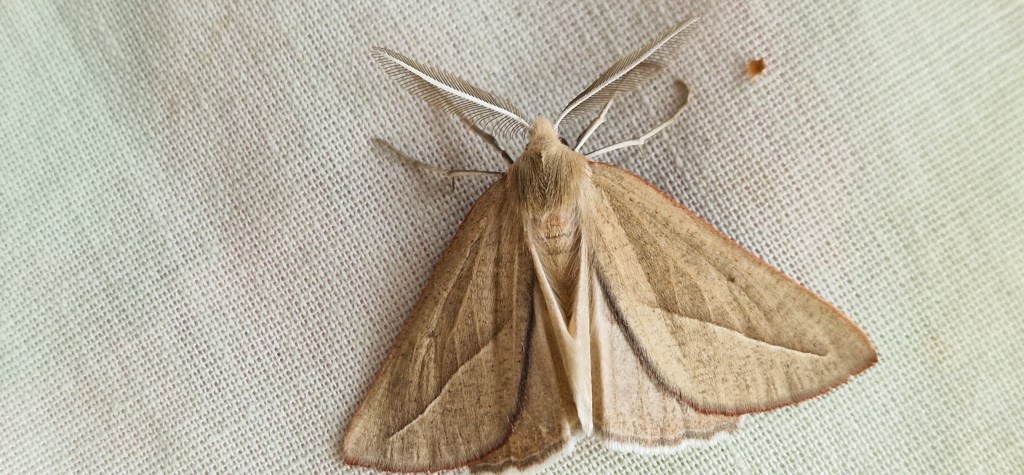
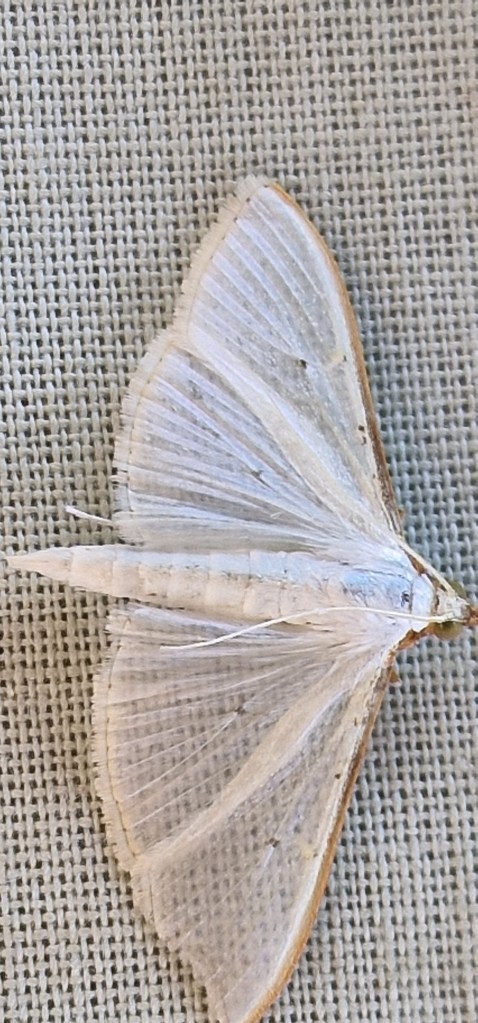
    White-line Blush Compsoptera opacaria 1 Male Moth .Had to show you a photo of the wings held close to the body and 1 spread
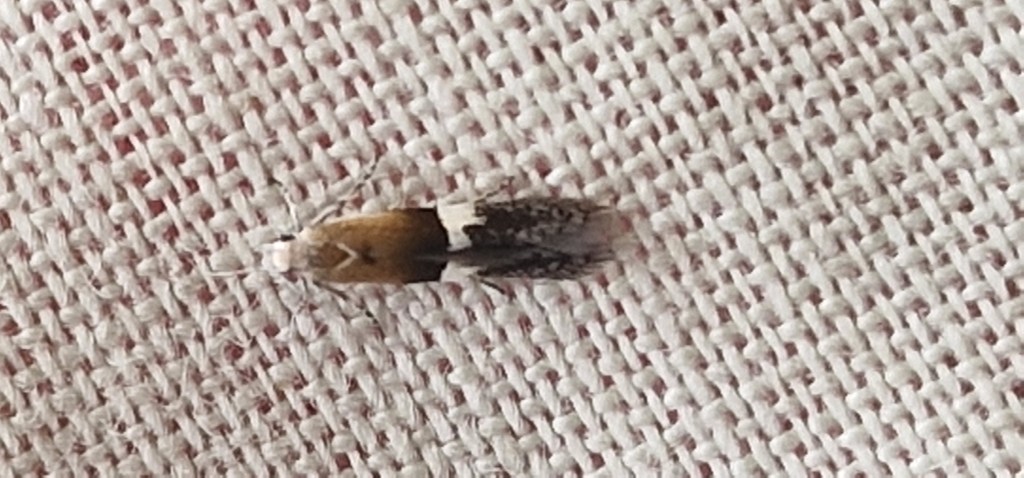
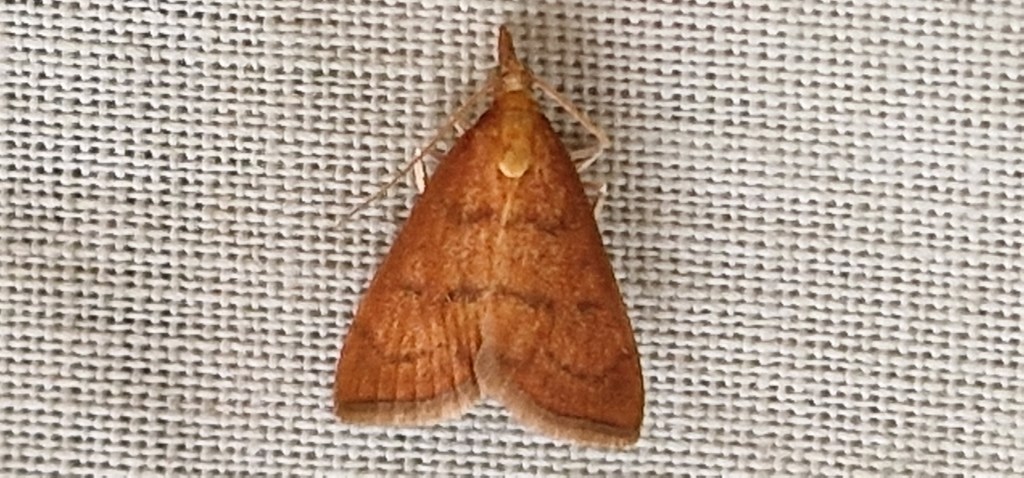
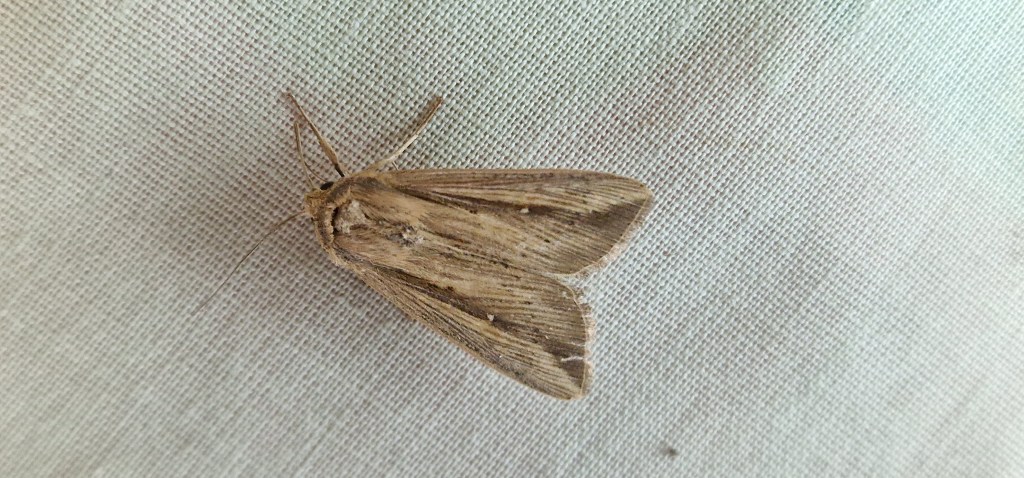
    And last but not least least the tiny migrant moth that is found in N.Africa the Pretty White-barred Aproaerema polychromella 1 Moth ,very distinctive markings and a good year for these too.Trapped quite a number earlier in the year so this could be a second brood.Will check this out when I get a few spare mins.Have not posted pictures of some of the species as you would have seen them before,e.g.Dark Mottled Willow Spodoptera cilium

    Didnt put the traps out last night as the forecast was so awful,but got up this morning and as usual it didnt turn out too bad,.

    Today my wifes daughter and son in law arrive from UK,long range forecast wasnt looking too pretty,but its changing all the time and at the time of writing there is brilliant sunshine so fingers crossed as the daughter is a keen birder so hopefully will be able to report some interesting sightings

    BFN.
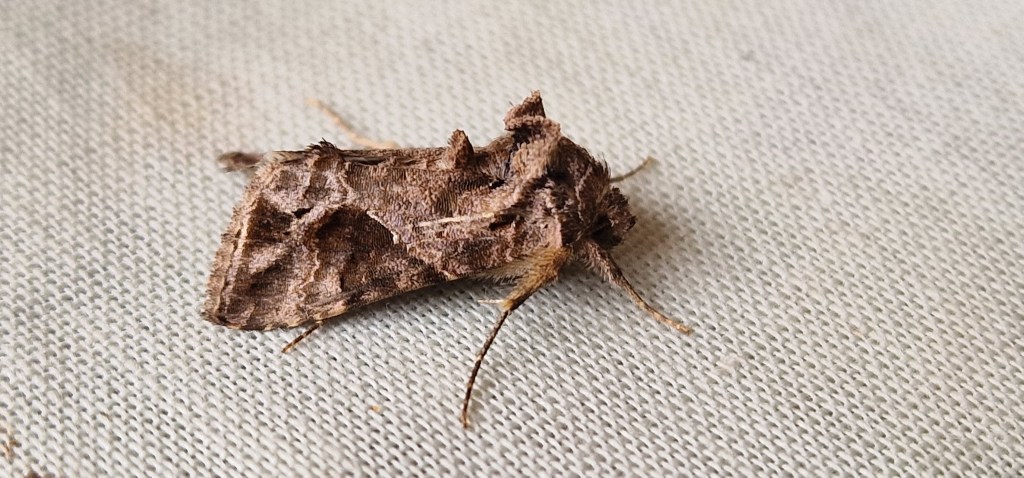
  • Dont ask me how but completely missed posting the moths of Thursday 13th.Trapped 38 moths comprising 24 Species,a pretty reasonable catch for this time of year.As our winter draws in we can expect less and less as a lot of moths are past their flight periods.
    It was a good mix of species and nothing prominent,except that yet another record for the tiny palumbina gurinii,a total of 8.

    Accent Gem Ctenoplusia accentifera 1 Female Moth.An amazing looking moth and dont catch too many here.

    Anania testacealis 1 Female Moth.Another quite rare moth for me and never seem to catch more than 1 at a session!!

    Not a moth but a typical moth trap invader,attracted to the lights.Pretty impossible to ID without killing and dissecting,which I am not into to.Just has to go down as a Brown Caddisfly species.

    Clepsis coriacanus.Am trapping several of this species at the mo,and thay are very variable and can be tricky to work them out.

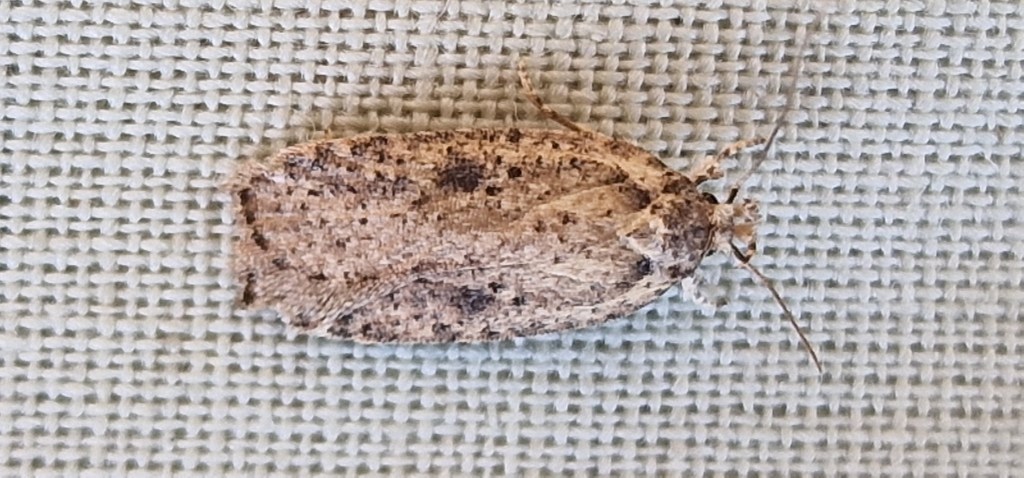
    Coastal Flat-body Agonopterix yeatiana 1 Moth .Another tricky moth to ID as there are a few species with very similar markings

    Cosmopolitan Leucania loreyi 1 Female Moth. A migrant species that was trapped the same night in UK..As I have said before the UK lepidopterists are constantly checking weather conditions ,hoping to catch some of these typical migrants

    Egyptian Stemborer Earias insulana 1 Moth.This has several English names and seems to now be at the end of its flight period here.This example is pretty washed out,normally has a good green coloration

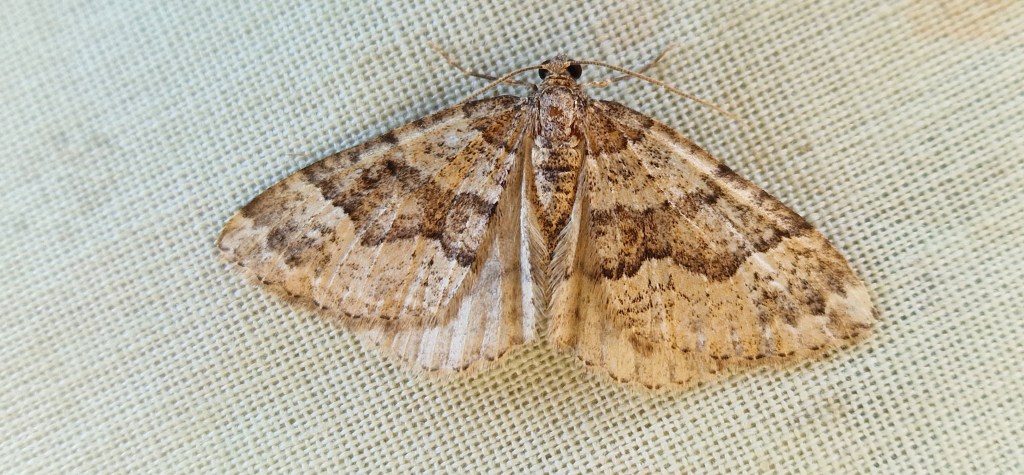
    Garden Carpet Xanthorhoe fluctuata 1 Female.A well marked individual.

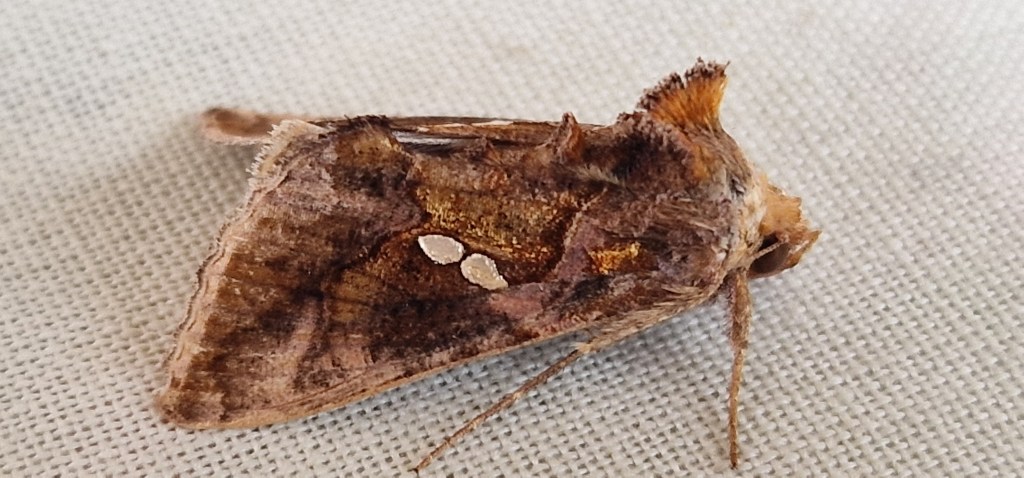
    Golden Twin-spot Chrysodeixis chalcites 1 Female.A cracking looking individual with that orange crown

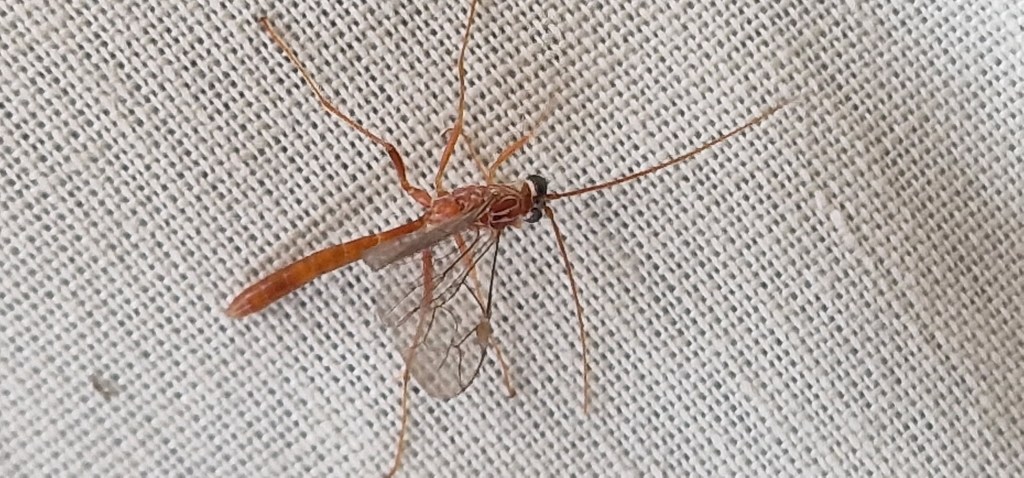
    Now this is an interesting looking insect and I trap plenty of these.Its an Ichneumon wasp species,not possible to put both genus and species to them by just a photograph.Fascinating creatures and def.in the traps after the moths.Not a wasp at all so doesnt normally sting except for the larger orange species such as this one.It is a parasite and the female has a long pointed ovipositor which penetrates the abdomen of the moth.The eggs are then deposited inside the moth which then develop and eat the moth from the inside

    Plumed Fan-foot Pechipogo plumigeralis 1 Female Moth. This is the 1st.example that I have trapped this year

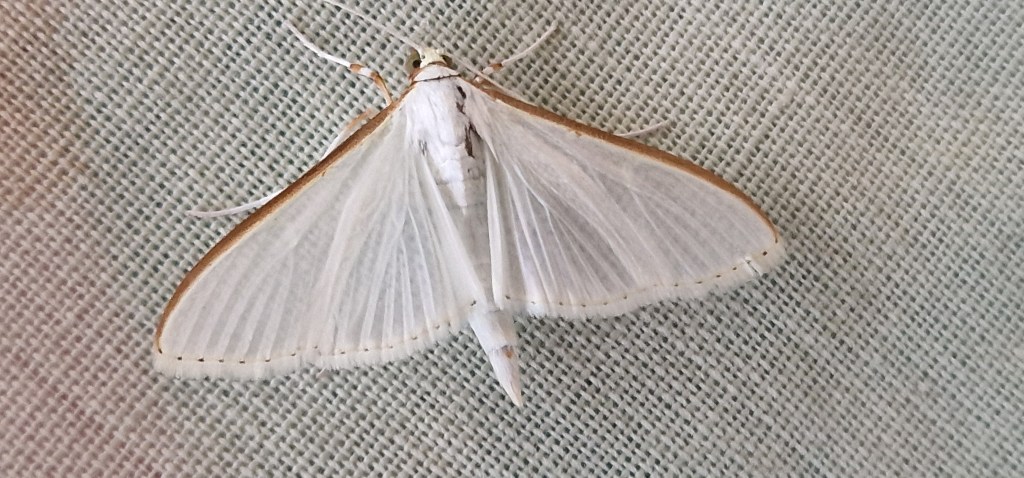
    Olive-tree Pearl Palpita vitrealis .A very common moth but a migrant that is trapped in UK

    Zelleria oleastrella A micro moth that is quite common.The caterpillars of this species feed on Olive trees of which there are plenty in this area.

  • It seemed a good move to go birding on Wednesday,clear blue skies,warm Autumnal sunshine,as looking at the radar weather charts yesterday,we needed to be building another Noah’s Ark!!.It was a really grim Welsh day here,total cloud cover,with some light steady rain in the afternoon,but the cold fronts coming in from the Atlantic looked ominous.

    Even the birds seemed to know what was afoot!! They were feeding up like mad so just some birding from the balcony on and off yesterday was very rewarding.Another 14 Wood Pigeons floated over,a couple of Common kestrels were looking for lunch,15 Spotless Starling both adult and 1st.winter,10 Black Redstarts incl.that cracking adult male,a lonesome multicolored Feral Pigeon,2 Collared Doves,.6 male and 2 female Blackbirds,a male Blue Rock Thrush,3 Common Chiffchaffs fly catching amongst the lentiscus bushes,a plethora of Blackcaps,13 males and 4 females,6 Sardinian Warblers,1 migrant Robin which has prob.set up its winter territory here already,the pair of Stonechat as usual,plenty of House Sparrows,and in the bay of Casares 4 adult and a 1st winter Northern Gannets constantly diving for fish and a raft of some 46 Great Cormorants.

    So last night only set up the 2 Heath moth traps that were sheltered by balcony overhangs,fearing the worst.Got up this morning usual time of 6.00 to find it dry,not a drop of the wet stuff had fallen.However,Portugal caught a real packet,prob why we dipped out.Sod’s law,if I had put the exposed trap out on the inside balcony,it would have gotten flooded out,but it just wasnt worth the risk and what a superb catch I had in the 2 traps.

    Moths dont like flying in the wind too much,but even with a little rain they appear quite happy,anyway,when it gets light shall examine the little beauties,get some photos and log all the data in the computer,so watch this space for some interesting close ups.See you all later!1

  • Before some rainy weather set in decided to spend a morning birding just locally yesterday 12th.,just 4 hours and back home for lunch.As we set off noted around the urbanisations Collared Dove,a male Blackbird and Black Redstart.

    On our way up to the hilltop village of Casares stopped on the Sierra Utrera which is one of my usual birdy sites and always turns up something.And surprise ,surprise a whole lot of migrant/wintering White Wagtails feeding under the feet of a herd of cattle but lots in a recently ploughed field,I stopped counting when reached 60 ,first because we had to make tracks for breakfast and 2ndly because impossible to get an accurate count as thye kept appearing and disappearing in between the furrows of the field.Other birds here incl.3 Corn Buntings (increasingly fewer around,very worrying),5 Meadow Pipits ,4 1st winter Spotless Starlings,a local Stonechat and 7 Goldfinch flew over.

    Breakfast stop was in a venta below the massif of Sierra Crestellina,striong black Spanish Coffee,(They know how to make it round these parts!!) and a generous slice of taosted brown local bread with salt,clove of garlic,olive oil and tomato frit,typical Spanish fare.

    Quickly finished off and thence to next port of call looking up to the Sierra followed by a couple of good viewing points,all by 10.30 and by that time the wind started to blow from the E.and gusty,not pleasant,so drove down to the area of a cemetary just below the village to get a bit of shelter,much better.

    Its impossible to get accurate counts of all the birds so my numbers are always a minimum but they make a reasonable assessment of what is around.So all in all at all these sites in and around the village we noted good numbers of Griffon Vulutres ( a decent sized breeding colony up on the sierra).I shall never forget the 1st.time I saw 1 of these magnificent creatures on Gibraltar back in the day,it was a close overhead fly by,and I said Look there’s a flying carpet!!).Never get tired of them,Also we had 2 Collared Doves,1 Eurasian Hoopoe(Prob.a wintering bird),1 local Female Blue Rock Thrush,12 Cram Martins,a pair of Ravens,6 Migrant/wintering Common Chiffchaffs,Blackcaps flying in between the bushes everywhere (But failed to spot a single female,all males noted!!),3 Local Male and 1 Female Sardinian Warblers (Our commonest scrub warbler),3 wintering Robins,a good count of 16 Black Redstarts,9 White Wagtails,a single male Greenfinch,3 local Stonechats,House Sparrows,4 Blackbirds,

    Time was pressing so had to forshorten our stay and made way back home on a circular route so that we took in a couple of local golf clubs where there are small accessible ponds to assess whats around

    On and around these ponds we found,6 winter plumage Little Grebes,7 Moorhens,11 Common Coot,2 migrant Barn Swallows,a Collared Dove ,2 more White Wagtails,1 Grey Wagtail,and 13 Common Chiffchaffs fly catching amongst the Phragmites and Bulrushes (Typical habitat for them here in the winter).

    And I had to show this.These monstrosities are appearing everywhere ,in every small available piece of ground,apartment blocks are more common than the birds!!.It is an ecological disaster.And they are not cheap and who is going to buy them.As sure as eggs are eggs most will be 2nd holiday homes for the well off Scandinavians and Germans to name a few.Its OK at the mo while there is plenty of water in the reservoirs ,but if we get another drought and extreme temperatures as we did this year,the water will soon run out after next summer.its so short sighted by the local Town hall,who are happily taking in the money for the building licences ,but what of the consequences!!.Its criminal,and there is no future for the local wildlife.

    I have experienced 3 Booms and 2 Busts since living here in S.Spain so watch this space for another Bust.And its not just happening here ,all the Spanish Costas are experiencing the same catastrophe.,a concrete jungle.I dont want to harp on about it anymore,it makes my blood boil and thats putting it mildly!! Well goota go and see what I have in last nights’ moth traps,hopefully no geckos!!

  • Well .,it was pretty chilly at 6.00 when I started to empty the 3 moths traps,no Geckos or Oriental Hornets thank goodness and surprisingly a good number of micro moths.

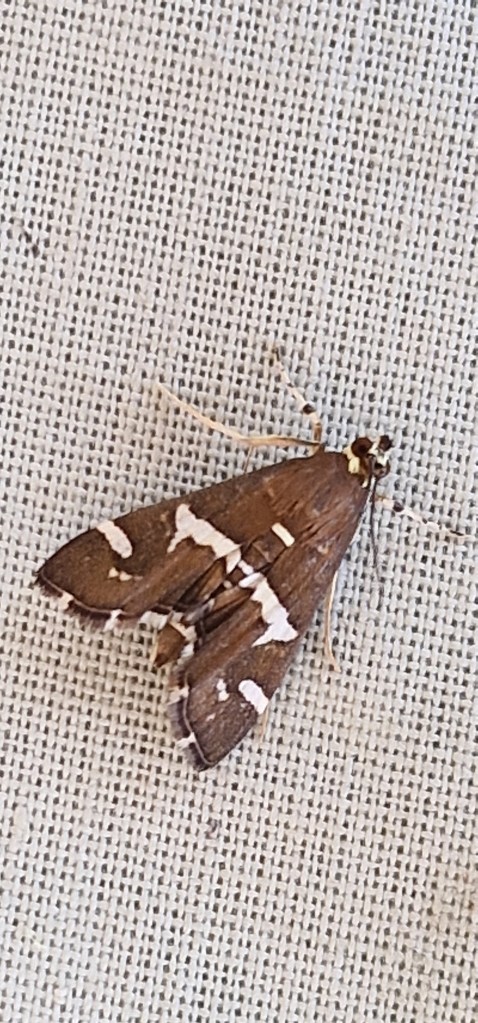
    Beet Webworm Spoladea recurvalis.Never trap many of these and then only 1 in a session.A well marked Crambid moth

    Cabbage Webworm Hellula undalis.A beautifully marked Crambid moth,much commoner and well past the end of its flight period

    I trapped 6 of this species and all were differently marked and tricky to sort out.Clepsis coriacanus.A good number for this micro moth.

    Coastal Flat-body Agonopterix yeatiana.A member of the Depressariidae family and yet another micro moth.Trapped just a single.Some of the English names are amazing!!

    And who said moths were boring dull brown creatures.This is 1 of 3 Crimson Speckled Utetheisa pulchella that I trapped on the 10th.It has roughly 2 flight periods June to July and September to October.In the summer period I was trapping more..Looks even more spectacular when it flies off,the hind wings are pure white with a broad trailing edge.They are surprisingly difficult to find in dead vegetation with their heads pointing to the sky.

    Once again the commonest moth of the night was the Dark Mottled Willow,a total of 9 females.

    Double-striped Pug Gymnoscelis rufifasciata .Trapped just 1,their main flight period has long gone

    This is Epischnia illotella ,a tricky moth to ID with just a few markings to go on

    A cracking little Tortrix moth,which shows many variations in appearance.Called Garden Rose Tortrix Acleris variegana

    Grass Webworm Herpetogramma licarsisalis.Have been trapping good numbers this Autumn,the larval foodplants are members of the grass family so its not surprising that they are common.

    Mallow Moth Larentia malvata .Very different from the 1 I trapped the other night and had me stumped for some time!!These show amazing variations in colour and intensity but the patterns on the wing are generally the same ,but unfortunately this was showing signs of wear and tear.

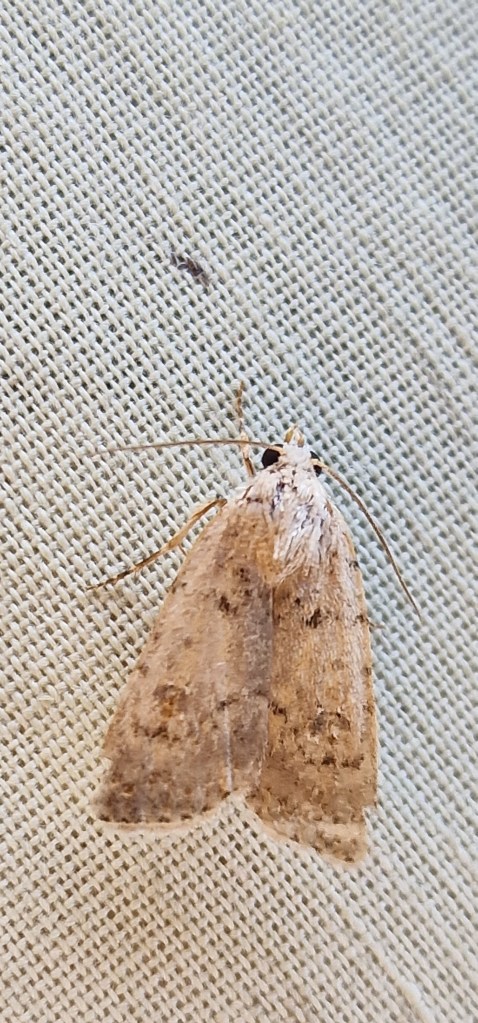
    Trapped another 2 examples of Mniotype occidentalis,a regular in small numbers recently.

    This is the very dark Nodaria nodosalis which seemingly has 2 narrow flight periods,June and September.But it is now the 2nd.week in November which shows how different and even more prolonged the flight periods of some moth species down here can be.It looks a bit dull but the markings make it no other species.

    Pale Mottled Willow Caradrina clavipalpis.A common moth here and I only seem to catch the females and the same goes for quite a number of other species,and vice versa for others.Probably some sexes just are not attracted to the light!!This example is well past its sell by date.Normally has much richer brown markings

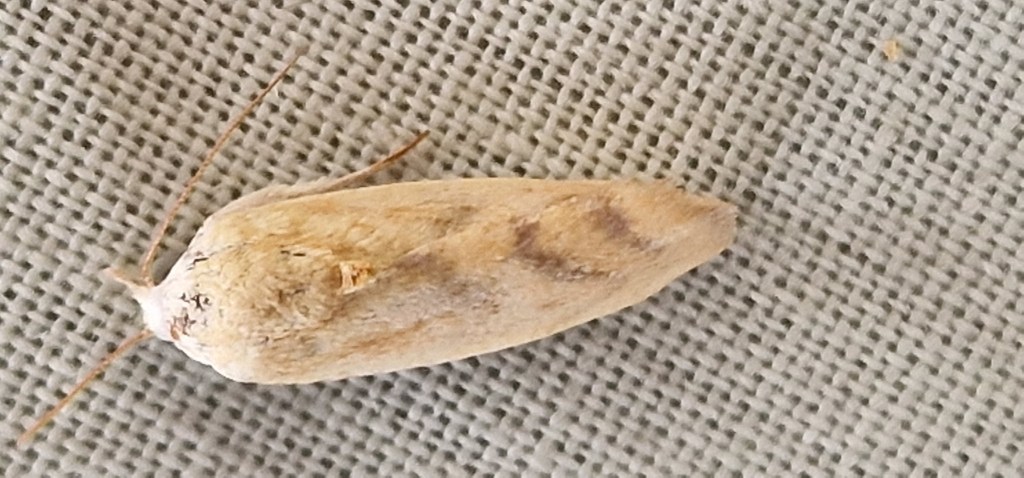
    And this tiny micro is my star moth of the night.I trapped a record 7.They only have a wingspan of 11mm.so are around just 5 mm.in length.,and with their pale coloration,which gives great camoflauge ,they can be so easily missed sitting stock still in an egg box.

    And on the other end of the scale this monster is a female Pearly Underwing Peridroma saucia,which has a wingspan between 45 to 56 mm.

    And what a piece of artwork this micro moth portrays.Purple Marbled Eublemma ostrina

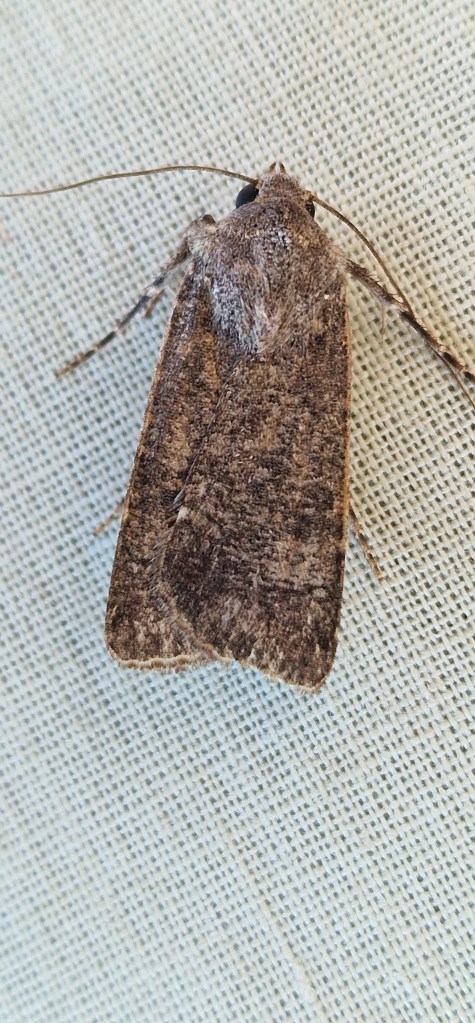
    And finally a single male Turnip Moth Agrotis segetum.A dull by name and dull by nature moth which is extremly variable despite the limited coloration!!

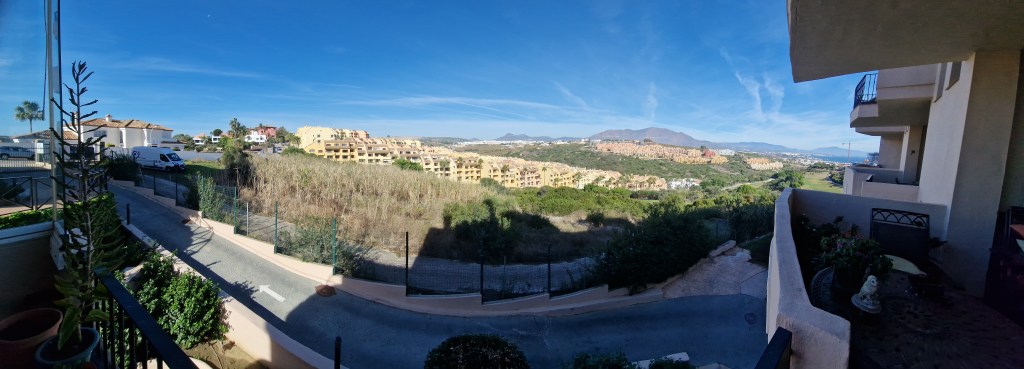
  • Well,I have taken a pretty rubbish panoramic view from my outside balcony to give you all a sense of what I can see.In front are some reeds,very healthy,showing there is some water somewhere below ground,I have found if you crop and zoom in the very distance straight ahead are the montes de Gaucin.Gaucin is a typical white washed hill top village,much loved by Ex pats.A tadge nearer is a slightly askew M mountain called Sierra Crestellina which overlooks another typical Andalucian village called Casares.This village sits in a prime position to study both passerine and raptor migration in Spring and Autumn,fab,.place.The largest mountain more to the right is the Sierra Bermeja.Further right you can see one of the golf course holes and in the right corner close to the building is the Bay of Casares.So you can see I have a fabulous panoramic view to bird watch from. What is also useful is that the golf course runs down in the direction of the sea in a wide cut which tends to funnel passerines up and down past my apartment during periods of migration.Also very handy the apartment faces N.,so I get shelter from the prevailing E.and W.winds but the benefit of seeing raptors relatively close heading against the winds.With my telescope set at 50X I can ID birds of decent size way up to Sierra Crestellina and sea birds in the Bay of Casares.

    So birding from the balcony today was quite productive with crystal clear vision,jolly cool in the shade but a pleasant 22 degrees in the sun.I noted during various coffee breaks etc,86 + Wood Pigeons,4 Collared Doves,150 + Spotless Starlings.,7 Black Redstarts incl 2 males and 2 adult males,55 + feral Pigeons,17 + Griffon Vultures,5 Crag Martins,.1 male Stonechat,1 female Sardinian Warbler,1 Blackbird,plenty of House Sparrows,and at least 10 adult Gannets.

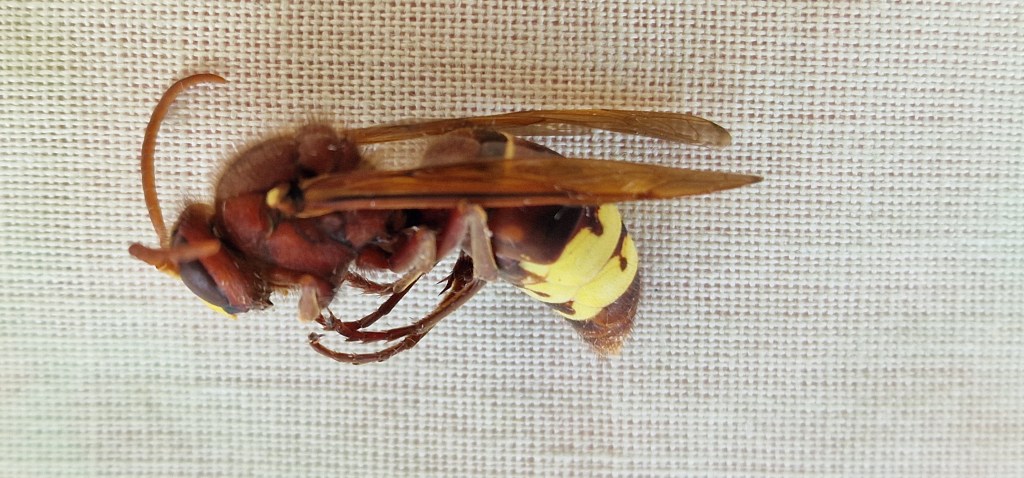
  • Well,I found you a picture of a recently deceased Oriental Hornet (Vespa orientalis).,very distinctive plumage

    Going back to yesterday,it was a stunning Autumnal day,really cool before 1st.light when emptying the moth traps but reached 26 degrees by 2 p.m.in the sun.

    Too much time spent yesterday at 2 private health clinics and 2 visits to local pharmacy,nothing too serious but getting old is not the most exciting thing on the planet,cant advise it really but I dont fancy the alternative too much either!!

    I did find time in between all this to pop down to the Old Castillo de La Duquesa on the coast close by to have a few mins.birding.No good in the summer as the little concreted arryo dries up but rest of time there is a little running water in it plus a bit of veg.,prob.some local sewage to add to the flavour as well,but that attracts the insects and hence a few insectivorous birds.

    I found a White Wagtail (Passage/migrant) and a cracking adult male Grey Wagtail,a dead ringer for this site.More disturbing was the large numbers of Oriental Hornets coming down to drink in the arroyo.Hell,they are everywhere.Out on the Med.there were lots of gannets ,a mix of pure adults and several brown 1st winter birds a couple of winter plumaged Sandwich Terns and a Great Cormorant.

    Back home from the balcony noted 5 Black Redstarts incl 1 adult male,1 Kestrel,Collared Dove,House Sparrows,1 Wood Pigeon,a migrant Goldfinch,4 migrant Serins,a local male Sardinian Warbler,plenty of adult and 1st.winter Spotless Starlings,1 male Blackbird ,a squadron of 10 Griffon Vultures floating overhead,and a passage of 27 Crag Martins (bound to have missed a whole lot more).

    Well time flies,breakfast and then finishing off yesterdays moths ,a good bunch to boot and will post later

  • A few days ago I received a mail from our ringing group coordinator sharing a news/statement from SEO BIRDLIFE regarding the critical situation we are experiencing due to avian flu.,which is severley impacting the European population of Common Cranes and other waterfowl.We all know how the UK has suffered recently with large nos.of Gannets and other seabirds dying from this virus.

    At the moment we are not prohibited from ringing birds,but it is very possible that we could temporarily be prohibited from ringing passerines!! As ringers we all have to be aware of this situation and must use hand sanitizer before during and after handling birds on our ringing days.

    It is also very important we do not collect the birds in dirty bags.We must always use clean bags individually for all our captures and wash all used bags before the next ringing session.

    Not much good news these days. not the only problem down here either.I believe I read somewhere on the net that a number of Vespa orientalis Oriental Hornet had escapes from a container in a French port.As this species likes hot weather they somehow made their way down to S.Spain.Last year I noted a lot of them flying along our balcony and inside our urbanisation.I found a few in my moth traps over last Autumn when they appeared the most active.Bit of a shock having picked up a broken egg box and looking underneath expecting to find a moth and only to be confronted by 1 of these insects.Luckily all the ones I found we docile at the early time I emptied my traps so they all ended up in the freezer in plastic containers,dead.

    This year the problem appears worse with large numbers on our golf course and along local water courses.You may or may not know that they are an extreme threat to the local apiarists,as once they find a bee hive they kill all the bees,so a big threat to the honey production as well to the poor unsuspecting bees.

    Even worse the Asian Hornet for which UK has a growing problem has also been found down here.These Hornets have a different coloration and are bigger and are extremely aggressive and have been known to kill human beings.These Hornets must not be confused with the non aggressive European Hornet which is the smallest of the 3 .All 3 have distinct colors ,so take a look on the net as there are plenty of pictures of them out there.

    So all in all DONT PANIC (YET) !!

    Not much to report yesterday on bird front as had head in the laptop working with the moth data.On the odd occasion that I ventured on to my balcony for a coffee break noted 10+ Spotless Starlings a mix of adults plus the spotted juveniles,a couple of Crag Martins,2 White Wagtails on the putting green below,1 male Stonechat,a lonesome Griffon Vulture drifting over the golf course,a Blackbird and House Sparrows having a good bath in the bird baths on my inner balcony,2 Black Redstarts,a Collared Dove,and a Blue Rock Thrush (Migrant).Last but not least heard at dusk a Little Owl calling from the urbanisation opposite

    Seem to be seeing less and less of these super owls.I ticked a pair on Jan.1st this year opposite at Duquesa Village and actually have not seen them there since.

  • Well,last night put out the usual 3 Heath Moth traps on my balconies at Duquesa Fairways.Weather conditions appeared pretty good as the wind abated,the only downside was that it was getting much cooler now.Well alarm went off at right time at last so went out on front balcony overlooking the golf course expecting plenty of moths in the trap.I was a bit dismayed,just 2 moths sitting outside on the curtain and 1 only in the trap.Then I caught some movement out of the corner of my eye.It was as I feared,a dastardly Moorish Gecko.On this balcony in particular I have had 1 under the trap and another in the trap itself,and I managed to catch them and relocate them to another urbanisation down the road.During this summer 3 more have gone that way.This gecko had a free breakfast and lunch on the moths.I failed to catch it but will have another go if its around tomorrow morning .Dont get me wrong though,I love this superb Geckoo.I have managed to photograph them close up and they are astoundingly beautiful.Lets face it ,if I didnt trap the moths then they would not get eaten by any predators.Fortunately the other 2 traps caught a few so had 19 moths comprising 13 species.

    6 of the catch were as usual the most common Spodoptera cilium ,Dark Mottled Willow,plus 2 Mniotype occidentalis.,plus another Eublemma parva,Small Marbled

    Female Heliothis peltigera ,Bordered Straw.This is a typical migrant moth that UK Lepidopterists trap at the same time as I do here
    Male Lefebvre’s Bloom Isturgia spodiaria.Took some time to I.D.as its pose was not as you more normally find it.It acts like a butterfly normally with closed wings
    Lime speck Pug Eupithecia centaureta.Beautifuuly marked
    Olive tree Pearl Palpita vitrealis.Another common migrant trapped in the UK last night
    Female Caradrina clavipalpis Pale Mottled Willow
    Female Peridroma saucia Pearly underwing.A large Noctuid moth with wing span over 40mm.
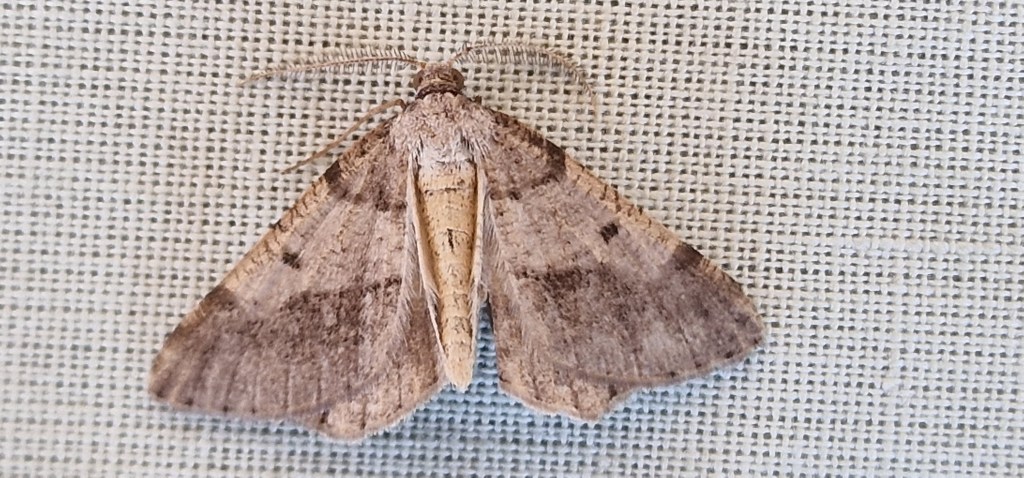
    Phycita diaphana A tricky moth to ID when it starts to get worn as in this example.Note the strange looking antennae
    Female Polymixis dubia
    Female

    Female Square spot Rustic Xestia xanthographa

    As an aside UK lepidopterists are keen weather watchers,especially for wind direction.I use the same weather site as them as N.African moths can reach my area with the right wind direction. The site we all use is Ventusky.I follow with great interest the UK mothing sites to see what migrants they are trapping as their catches often contain the same species as mine on the same night!!

  • Well,I dont possess a fancy camera with enormous lenses so there will be very few photo records of the bird sightings unless something sits on the fence below our balcony overlooking the golf course,

    I am attempting to input all my sightings of whatever wildlife I come across,whether its birds,moths, butterflies, insects,flowers,or even weird things such as Stone Marten faeces on to a website http://www.observation.org.Yes,it covers the whole planet and is a massive citizen science website.So when our sort of winter kicks in ,the daylight hours are shorter,and there are less moths around to process I shall find time to input all my bird data from way back when,times when I flew all over the planet on birding trips.,never a thought on my carbon footprint.Whats the point in keeping all this data on a computer and never using it,just get it out there.

    Having collected the moths from the traps around 07.00 Saturday went out for an early Spanish breakfast a few kms.away in Guadiaro village.As I passed over the Rio Guadiaro bridge noted 30+ Great Cormorants and a single Grey Heron on an exposed sandbank.

    After breakfast had around just 15 mins.to spare to look around Laguna de Las Camelias in Sotogrande and noted many of the usual suspects incl.1 Collared Dove,9 Crag Martins (passage/wintering),2 Linnets (Passage/wintering),1 Cattle Egret remaining in reeds of the winter roost site,1 Blackbird,1 Male Stonechat,2 Goldfinch (Passage/wintering),10 Little Grebes in winter plumage (highest count so far),1 Black Redstart (Passage/wintering),2 Common Chiffchaffs (Passage/wintering),2 Adult Purple Swamphens,1 Statuesque Grey Heron,a wandering Griffon Vulture,and 2 White Wagtails (Passage/wintering)

    Back home a little birding from the balcony produced 6 Crag Martins,1 Spotless Starling,2 Griffon Vultures,3 Wood Pigeons (been big movement of these this Autumn),1 Collared Dove,House Sparrows (Plenty round our urbanisation,unlike some areas),and 2 Black Redstarts (1st noted on 21st.October)

    Last Autumn 27th.October 2024 an adult male Black Redstart turned up at our urbanisation Duquesa Fairways Sabinillas,and remained through the whole winter and last record was 18th.March 2025!!This Autumn another has turned up here,it could be the same one!! Watch this space until next March